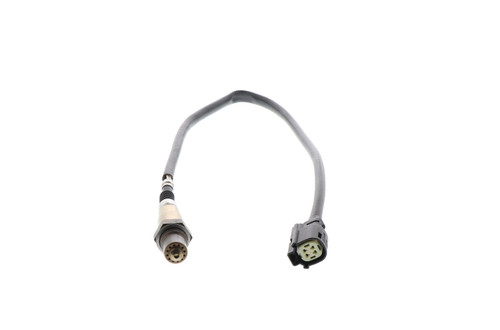
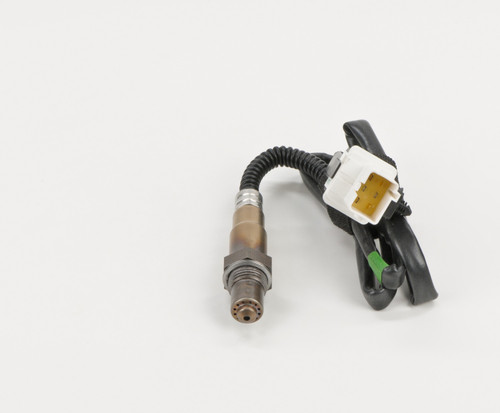
Bosch 13954 oxygen sensor for the 2007-2010 Honda Odyssey V6 3.5L and other vehicles reads the air-fuel ratio in the exhaust and reports it to the ECU. This heated, switching-type sensor helps the ECU hold combustion steady and helps reduce emissions.
- Narrow-band switching-type design with a heater element for air-fuel-ratio feedback to the ECU
- Metal housing, integrated heater element and TSP coating to resist vibration, corrosion and contamination
- Built to withstand exhaust streams up to 1,880°F
- Reaches operating temperature in under 10 seconds for quick closed-loop control and improved cold-start performance
Quick facts
- Part: Bosch 13954 oxygen sensor
- Fits: 2007-2010 Honda Odyssey V6 3.5L and other vehicles
- Position: Upstream left, upstream right, upstream front
- Material: Metal housing
- Condition: New
A check-engine light with an oxygen sensor code, a rough idle or higher fuel use can mean the sensor is slow or failing. Before you replace it, rule out an exhaust leak ahead of the sensor, damaged wiring and a loose connector, since each of those can set a similar code.
Fits
It fits the 2007-2010 Honda Odyssey V6 3.5L and is also an oxygen sensor for the 2007-2009 Acura MDX V6 3.7L. This listing is one sensor, and each of those takes one.
Specifications
Fit and size
- Position: upstream left, upstream right, upstream front
- Quantity per vehicle: 1
- Thread size: M18 - 1.5
- Hex size: 22 mm
- Length (sealing surface to end of connector): 10.4 in
Build and materials
- Type: narrow-band, switching-type, heated
- Housing material: metal
- Wiring harness: included
- Condition: new
- Warranty: Bosch 1-year, unlimited-mileage warranty for non-commercial passenger cars and light trucks
In the box
One oxygen sensor with its wiring harness. A mounting bracket is not included.
Installation notes
- Direct-fit connectors and pre-applied conductive anti-seize on the threads
- Engineered for quick installation
Product information is for general reference and may contain errors. See our Disclaimer.
Frequently Asked Questions
Does Bosch 13954 work as an oxygen sensor for the 2007-2010 Honda Odyssey V6 3.5L?
Yes. Bosch 13954 fits the 2007-2010 Honda Odyssey V6 3.5L, and the fitment lists one sensor for it.
What thread and hex size does this oxygen sensor have?
Bosch 13954 has an M18 - 1.5 thread and a 22 mm hex. Its length from the sealing surface to the end of the connector is 10.4 in.
Does the Bosch O2 sensor come with its wiring harness?
Yes. The wiring harness is included with the sensor. A mounting bracket is not included.
How quickly does this heated oxygen sensor reach operating temperature?
It reaches operating temperature in under 10 seconds, so the ECU gets a signal quickly for closed-loop control.
What warranty comes with the Bosch 13954?
Bosch backs it with a 1-year, unlimited-mileage warranty for non-commercial passenger cars and light trucks.