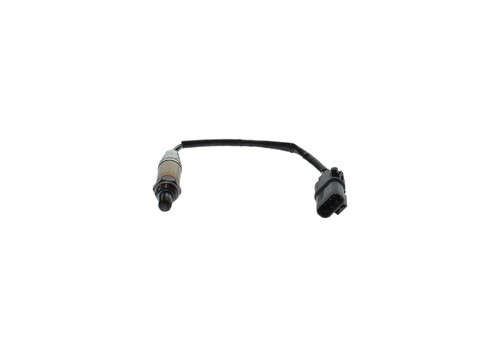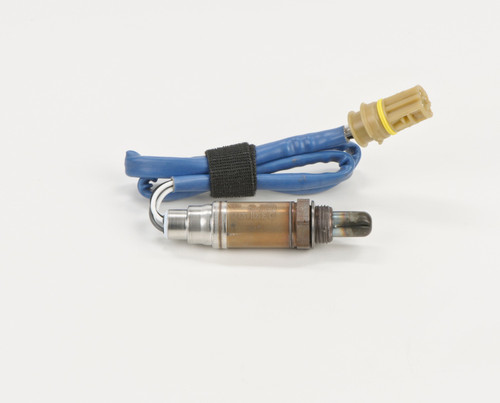
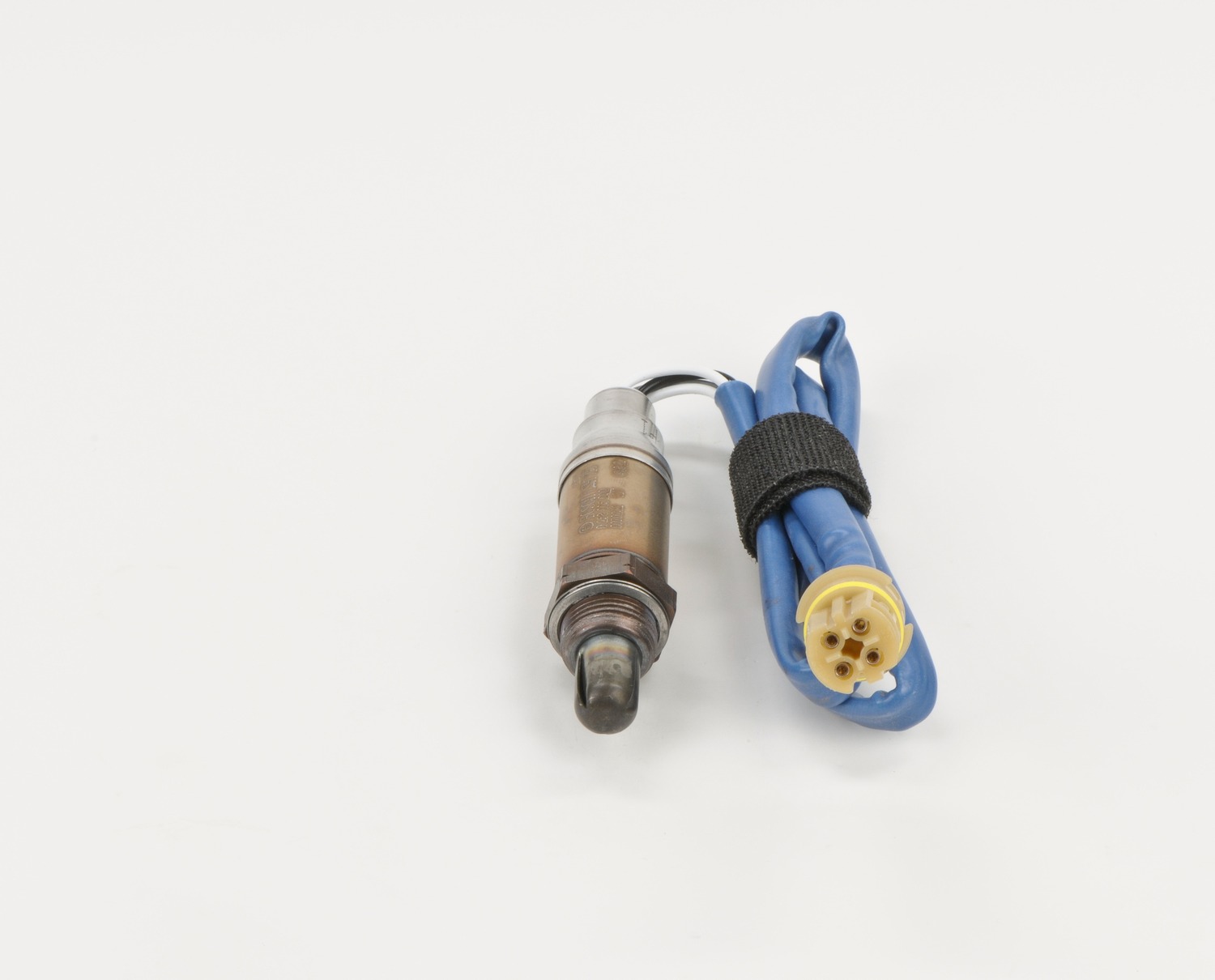
Bosch Oxygen Sensor P/N:18188
Bosch 15090 right oxygen sensor for the 1998-2000 Mercedes-Benz C280 V6 2.8L and other vehicles reports exhaust oxygen to the ECU. This Bosch O2 sensor is a narrow-band, switching-type unit that gives the ECU air-fuel-ratio readings.
Before you replace this sensor, rule out exhaust leaks, damaged wiring and a loose connector, because those can also set an oxygen sensor code. A check engine light, poor fuel economy or a rough idle can mean the sensor is worn or slow to respond.
This sensor is listed for a wide range of Mercedes-Benz models, including the 1998-2000 Mercedes-Benz C43 AMG V8 4.3L and the 1998-2000 Mercedes-Benz CLK320 V6 3.2L. Driving a different Mercedes-Benz? Look for your year and engine in the "Vehicles it fits" section.
Fit and size
Build and materials
One oxygen sensor with its wiring harness. A mounting bracket is not included. This listing holds one sensor, and the upstream right position takes one; the left side is ordered separately.
Is this the right Mercedes C280 oxygen sensor for a 1998-2000 C280 V6 2.8L?
Yes. The Bosch 15090 is listed for the 1998-2000 Mercedes-Benz C280 V6 2.8L in the upstream right position, and that side takes one sensor.
Does the Bosch 15090 come with a wiring harness?
Yes. The Bosch 15090 includes its wiring harness. A mounting bracket is not included.
What thread size and hex size does this upstream right oxygen sensor have?
The thread size is M18 - 1.5 and the hex size is 22 mm. Length from the sealing surface to the end of the connector is 25.7 in.
Is this Bosch premium oxygen sensor heated?
Yes. It is a narrow-band heated sensor with an integrated heater element, and it reaches operating temperature in under 10 seconds.
Does this oxygen sensor need anti-seize on the threads?
No. Conductive anti-seize is already applied to the threads of this sensor, and its connectors are direct-fit.
No reviews yet — be the first to review this product.
Write a Review
WARNING: These products can expose you to chemicals including lead and phthalates, which are known to the State of California to cause cancer and birth defects or other reproductive harm. For more information go to www.P65Warnings.ca.gov.