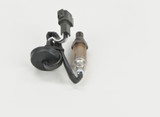
Bosch Oxygen Sensor P/N:17188
Bosch 16130 oxygen sensor for the 2013-2018 Volkswagen Jetta 4-cylinder 2.0L and other vehicles reads the air-fuel ratio in the exhaust and reports it to the engine computer. Upstream and wide-band, it gives the computer data it uses to control the air-fuel ratio.
A check engine light, higher fuel use or a rough idle can mean the sensor is worn, though an intake vacuum leak or a faulty mass airflow sensor can be behind those same signs.
This is a direct-fit replacement for the 2013-2018 Volkswagen Jetta 4-cylinder 2.0L, the 2018-2022 Volkswagen Passat 4-cylinder 2.0L and the 2013-2019 Volkswagen Beetle 4-cylinder 2.0L. These cars take one sensor each, and this listing is one sensor.
Fit and size
Build and materials
One oxygen sensor with its wiring harness.
Is the Bosch 16130 one of the right VW Jetta oxygen sensors for 2013-2018 Volkswagen models with the 4-cylinder 2.0L?
Yes. Bosch 16130 is an upstream oxygen sensor for the 2013-2018 Volkswagen Jetta 4-cylinder 2.0L, and that car takes one.
Is Bosch 16130 a Passat oxygen sensor for 2018-2022 Volkswagen models with the 4-cylinder 2.0L?
Yes. This upstream sensor fits the 2018-2022 Volkswagen Passat 4-cylinder 2.0L, and that car takes one.
Is this Bosch O2 sensor a wide-band type, and what are its thread and hex size?
Yes. This upstream sensor is a wide-band type with an M18 - 1.5 thread, a 22 mm hex and a 5-terminal connector.
Does the Bosch premium oxygen sensor come with its wiring harness?
Yes. The wiring harness is included with this sensor, and conductive anti-seize is already applied to the threads.
How fast does this wide-band sensor reach operating temperature?
This sensor reaches operating temperature in under 7 seconds, so the engine computer gets a signal sooner for closed-loop control on a cold start.
Published by the manufacturer of this part. Links open in a new tab.
No reviews yet — be the first to review this product.
Write a Review
WARNING: These products can expose you to chemicals including lead and phthalates, which are known to the State of California to cause cancer and birth defects or other reproductive harm. For more information go to www.P65Warnings.ca.gov.