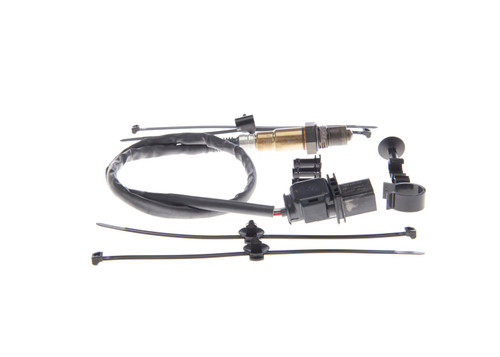
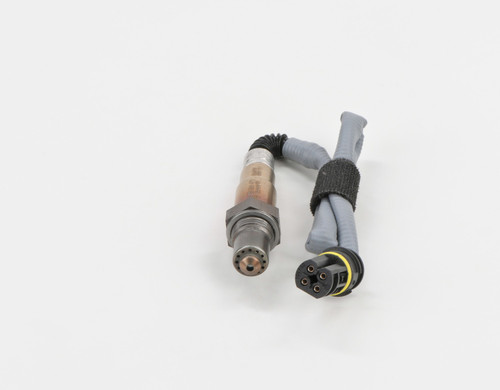
Bosch Oxygen Sensor P/N:16473
Bosch 17178 oxygen sensor for the 2009-2016 Audi A4 4-cylinder 2.0L and other vehicles measures the air-fuel ratio across the full lambda range. As a Bosch premium oxygen sensor of the wideband A/F type, it gives the ECU continuous, more detailed readings than a switching sensor.
A failing sensor can show up as a check engine light, poorer fuel economy or a rough idle. Before replacing one, look over the wiring and connector with the engine off and cool; a damaged harness can look like a bad sensor. This listing is one sensor, and how many a car takes varies by vehicle and upstream position.
This oxygen sensor fits the 2012-2018 Volkswagen Passat V6 3.6L and works as an oxygen sensor for the 2008-2014 Porsche Cayenne V6 3.6L. Driving something else? Run your year, model and engine through the "Vehicles it fits" section.
Fit and size
Build and materials
One oxygen sensor with its wiring harness.
Does Bosch 17178 work as an Audi A4 oxygen sensor on the 2009-2016 model with the 4-cylinder 2.0L?
Yes. Bosch 17178 is listed for the 2009-2016 Audi A4 4-cylinder 2.0L, with one sensor per vehicle.
Is this a VW Passat oxygen sensor for the 2012-2018 model with the V6 3.6L?
Yes. Bosch 17178 is listed for the 2012-2018 Volkswagen Passat V6 3.6L, with one sensor per vehicle.
Is this Bosch O2 sensor a wideband or a switching type?
It is a wideband A/F sensor. It reports the air-fuel ratio continuously across the full lambda range instead of the limited feedback of a switching sensor.
Does this oxygen sensor come with its wiring harness?
Yes. The sensor comes with its wiring harness, and conductive anti-seize is already applied to the threads.
What thread and wrench size does this oxygen sensor use?
It has an M18 - 1.5 thread and a 22 mm hex. Overall length is 29.5 in, and the sensor has 6 terminals.
Published by the manufacturer of this part. Links open in a new tab.
No reviews yet — be the first to review this product.
Write a Review
WARNING: These products can expose you to chemicals including lead and phthalates, which are known to the State of California to cause cancer and birth defects or other reproductive harm. For more information go to www.P65Warnings.ca.gov.