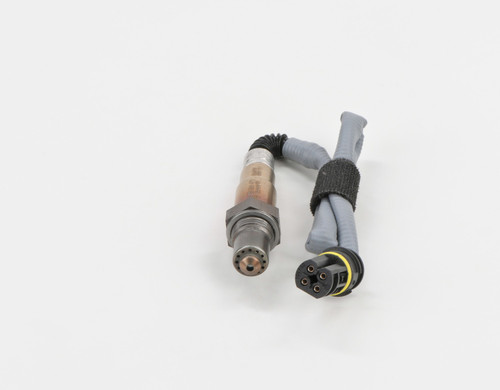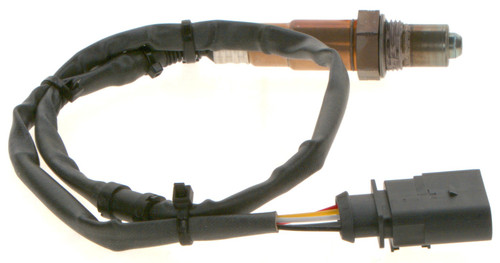
Bosch Oxygen Sensor P/N:15160
Bosch 17206 oxygen sensor for the 2019-2021 Volkswagen Jetta 4-cylinder 2.0L and other vehicles measures the air-fuel ratio in the exhaust and reports it to the ECU. This upstream wideband sensor gives continuous readings across the full lambda range, which is more detail than a switching sensor provides.
A check engine light, worse fuel economy or rough running can mean the sensor is worn, though a damaged wiring connector or an exhaust leak near the sensor can be behind them too. If the sensor is the cause, this one replaces it.
The vehicles it fits include the 2019-2021 Volkswagen Jetta 4-cylinder 2.0L, the 2015-2018 Volkswagen Golf 4-cylinder 1.8L and the 2015-2019 Volkswagen Golf SportWagen 4-cylinder 1.8L.
Fit and size
Build and materials
One oxygen sensor with its wiring harness. This listing is one sensor, and the car takes one.
Is the Bosch 17206 the right oxygen sensor for a 2019-2021 VW Jetta 4-cylinder 2.0L?
Yes, Bosch 17206 is listed for the 2019-2021 Volkswagen Jetta 4-cylinder 2.0L; if your car is a different one, look it up in the "Vehicles it fits" section.
Does a VW Golf oxygen sensor like this one fit the 2015-2018 Volkswagen Golf 4-cylinder 1.8L?
Yes. Bosch 17206 is listed for the 2015-2018 Volkswagen Golf 4-cylinder 1.8L and goes in the upstream position.
Is the BOSCH O2 sensor 17206 a wideband or a switching type?
Bosch 17206 is a wide-band sensor. It reads the air-fuel ratio continuously across the full lambda range, and it has 5 terminals and an M18 - 1.5 thread.
Does this BOSCH premium oxygen sensor need anti-seize added to the threads?
No, conductive anti-seize is already applied to the threads. The connectors are direct-fit and the wiring harness is included.
How quickly does this wideband oxygen sensor reach operating temperature?
It reaches operating temperature in under 7 seconds, so the ECU gets a signal quickly for closed-loop control.
No reviews yet — be the first to review this product.
Write a Review
WARNING: These products can expose you to chemicals including lead and phthalates, which are known to the State of California to cause cancer and birth defects or other reproductive harm. For more information go to www.P65Warnings.ca.gov.