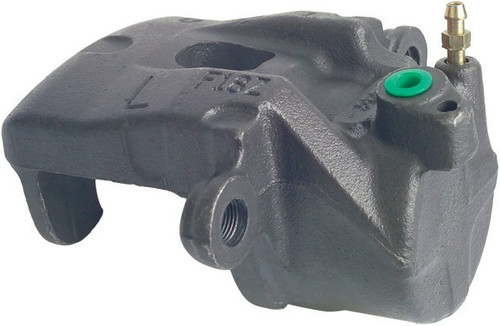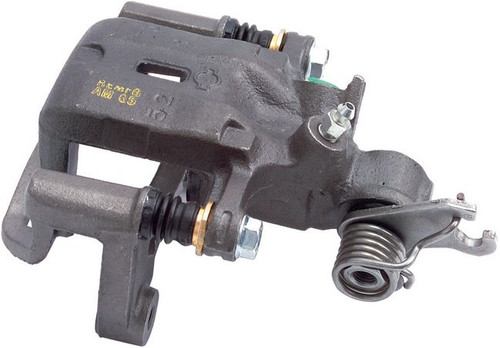
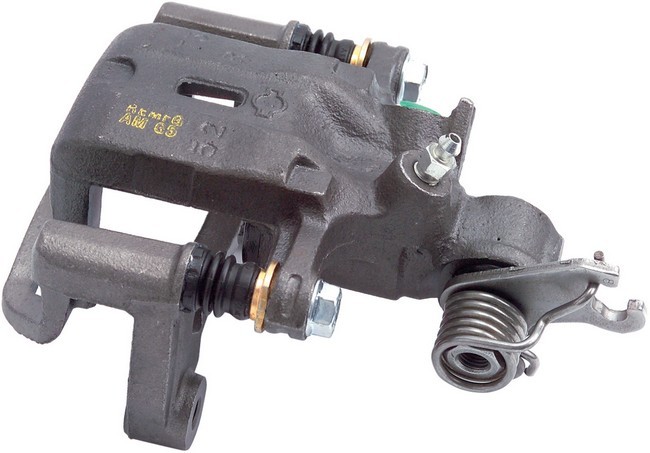
CARDONE Reman Disc Brake Caliper P/N:19-7282
Replace a leaking or sticking rear right caliper with the A1 CARDONE remanufactured brake caliper 19-B2856, a direct-fit replacement for the 2001-2003 Nissan Maxima, 2002-2004 Infiniti I35 and 2001 Infiniti I30. This A1 CARDONE brake caliper is sold unloaded and comes with its mounting bracket.
A disc brake caliper uses hydraulic pressure from the brake system to push the pads against the rotor and slow the wheel. CARDONE remanufactures this original equipment caliper to strict quality and performance standards and fits it with new components.
Brake pads are not included. This caliper fits the rear right position. CARDONE's remanufacturing process is earth-friendly: it cuts the energy and raw material needed to make a new part by 80%.
Interchange: 440014U003 · 440014U004 · 440014U010
This part cross-references / interchanges with the following part numbers:
Is this the right Nissan Maxima brake caliper for a 2001-2003 Nissan Maxima?
It is listed as a direct-fit rear right caliper for the 2001-2003 Nissan Maxima. The Buyer's Guide tab has the full fitment chart.
Does this caliper come with brake pads?
No. It is sold unloaded, so brake pads are not included. The mounting bracket does come with the caliper.
What new parts go into this remanufactured caliper?
The rubber seals are replaced with new high-temperature EPDM rubber, and it has a new bleeder screw. New banjo bolts, washers, stainless steel clips and mounting pins are included where applicable.
Is each caliper tested before it ships?
Yes. CARDONE pressure-tests 100% of its remanufactured calipers. A plastic cap plug protects each brake port thread until you install the caliper.
What are signs a brake caliper may need replacing?
Common signs include brake fluid leaking at the caliper, the vehicle pulling to one side, a dragging brake, or uneven pad wear. Diagnose the cause first, because other brake parts can cause similar symptoms.
WARNING: These products can expose you to chemicals including lead and phthalates, which are known to the State of California to cause cancer and birth defects or other reproductive harm. For more information go to www.P65Warnings.ca.gov.