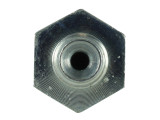
Centric Parts Brake Hydraulic Hose P/N:150.65527
Keep brake fluid flowing from the rigid brake lines to the front wheel brakes with the Centric Parts brake hydraulic hose, part number 150.62012. This flexible front hose is a direct-fit replacement for the listed applications. It fits many vehicles, among them the 1969-1971 Chevrolet Camaro, the 1969-1972 Chevrolet Nova and the 1971-1972 Pontiac Ventura. See the "Vehicles it fits" section for the full list.
A brake hydraulic hose is the flexible link in the brake system. It carries pressurized brake fluid to the brake at the wheel and lets the wheel move with the suspension and steering. Over time a hose can age, crack or leak, and this hose is intended to replace one that has worn out.
Signs this hose may need replacing include cracks or bulges in the outer cover, brake fluid seeping at the ends, or a soft or spongy pedal. These symptoms can have other causes, so inspect the brake system before replacing parts. After installation, bleed the brakes following the vehicle's service procedure.
Interchange: B916160 · HB82012 · 88520 · 1740 · 176236 · 176265 · 176496 · 8736012 · H36672 · SP4515 · BH1129 · 36672 · 9753906 · 4536672 · BH36672 · 2201177 · 221177 · BH71379 · F71379
This part cross-references / interchanges with the following part numbers:
What does the Centric Parts 150.62012 brake hydraulic hose do?
It is a flexible front brake hose. It carries brake fluid from the rigid brake lines to the brake at the wheel and lets the wheel move with the suspension and steering.
Does this brake hose fit a 1969-1971 Chevrolet Camaro?
Yes. The 1969-1971 Chevrolet Camaro is a listed application for this front brake hose. The "Vehicles it fits" section shows every listed vehicle.
Is it listed for the 1969-1972 Chevrolet Nova and 1971-1972 Pontiac Ventura?
Yes. Both the 1969-1972 Chevrolet Nova and the 1971-1972 Pontiac Ventura are listed applications, with the hose cataloged for the front position.
What are signs a brake hose may need replacing?
Look for cracks or bulges in the outer cover, fluid seeping at the ends, or a soft or spongy pedal. These can have other causes, so diagnose the brake system first.
What should I do after installing the new hose?
Bleed the brake system following the vehicle's service procedure to remove air. Then check both connections for leaks before driving.
No reviews yet — be the first to review this product.
Write a Review
WARNING: These products can expose you to chemicals including lead and phthalates, which are known to the State of California to cause cancer and birth defects or other reproductive harm. For more information go to www.P65Warnings.ca.gov.