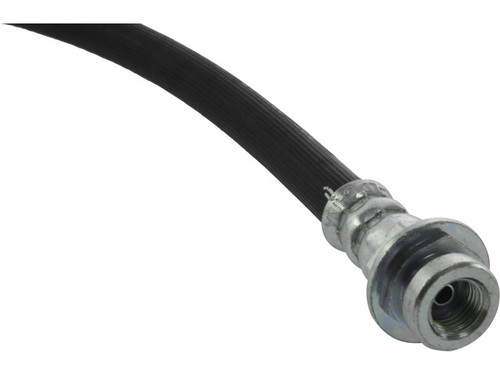
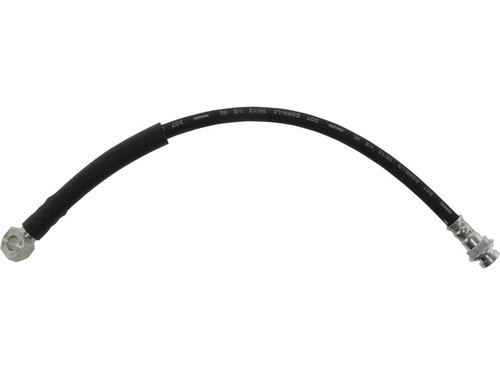
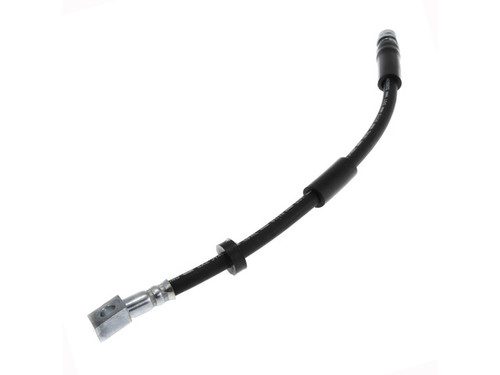
Carry brake fluid from the rigid brake line to the front brake with the Centric Parts brake hydraulic hose, part number 150.62027. It is the flexible link in the hydraulic circuit that lets the brake follow the wheel as the suspension and steering move. It fits many vehicles, among them the 1979-1981 Chevrolet Camaro, 1979 Chevrolet Nova and 1979-1981 Pontiac Firebird, as a direct-fit replacement for the listed applications. See the "Vehicles it fits" section for the full list.
- Front position: Cataloged for the front brake location on the listed applications.
- Broad coverage: Centric describes its brake hose line as having the widest application coverage in the aftermarket.
- Replacement quality: Centric positions these hoses among the highest-quality aftermarket replacements.
- Complete hydraulic program: Part of what Centric calls the industry's most complete and up-to-date brake hydraulic lineup, which also covers master and wheel cylinders, caliper and wheel cylinder repair kits, and power boosters.
Signs a brake hose may need replacing include cracks, swelling or bulging in the hose, brake fluid seeping at the hose or its ends, or a soft, spongy pedal. These symptoms can have other causes, so inspect the whole brake system before replacing parts. Replacing a hose opens the hydraulic system, so the brakes must be bled afterward. Consult the vehicle service information for the correct fittings and hardware, whether any may be reused, and the proper torque values.
Interchange: B916280 · HB82027 · 77225 · 1802 · 18031818 · 18J107 · 8736027 · H98912 · SP5753 · BH1264 · 36845 · 9762808 · 4536845 · BH36845 · 223048 · BH98912 · F98912
This part cross-references / interchanges with the following part numbers:
B916280, HB82027, 77225, 150.62027, 1802, 18031818, 18J107, 8736027, H98912, SP5753, BH1264, 36845, 9762808, 4536845, BH36845, 223048, BH98912, F98912
Frequently Asked Questions
What does the Centric Parts brake hydraulic hose do?
It is the flexible section of the brake hydraulic system. It carries brake fluid between the rigid brake line and the front brake so the brake can move with the suspension and steering.
Which vehicles does Centric 150.62027 fit?
It fits many vehicles, including the 1979-1981 Chevrolet Camaro, 1979 Chevrolet Nova and 1979-1981 Pontiac Firebird. See the "Vehicles it fits" section for the full list.
Is this a front or rear brake hose?
This hose is cataloged for the front position on the listed applications.
What are signs a brake hose may need replacing?
Cracks, swelling or bulging, fluid seeping at the hose ends, or a soft, spongy pedal are possible signs. Other parts can cause these symptoms, so diagnose the brake system first.
Do I need to bleed the brakes after installing it?
Yes. Replacing the hose lets air into the hydraulic system, so the brakes must be bled. Follow the vehicle service information for the procedure, fittings and torque values.