


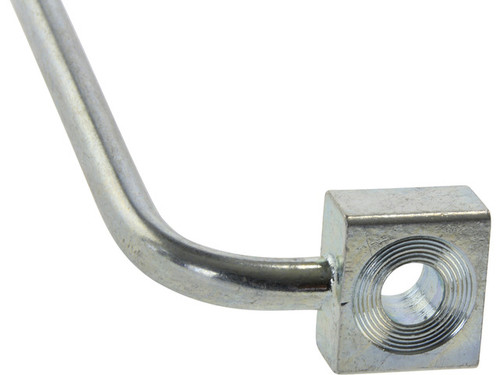

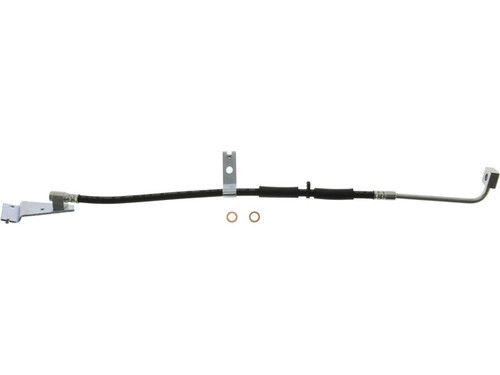

Keep brake fluid moving from the chassis lines to the wheel with the Centric Parts brake hydraulic hose, part number 150.67075, a front right hose built as a direct-fit replacement for the listed applications. It fits many vehicles, among them the 1998 Dodge B1500, 1998 Dodge B2500 and 1998 Dodge B3500. See the "Vehicles it fits" section for the full list and engine details.
A brake hydraulic hose is the flexible link in the brake system. It carries pressurized brake fluid between the rigid brake line and the brake at the wheel while allowing for suspension and steering movement. Centric calls its brake hoses among the highest-quality replacements in the aftermarket, and says its program offers the widest application coverage available.
Signs this part may need replacing: a cracked, swollen or chafed hose exterior, brake fluid seeping at the hose or its fittings, or a soft or spongy pedal. Have the brake system inspected to confirm the cause. After installation, bleed the brakes. Follow the vehicle service information for the fittings, any required sealing washers, and torque.
Interchange: B917892 · HB87075 · 78873 · 8740075 · H381160 · H620916 · E15572080 · 381160 · 52009450AC · 52009450AD · 52009450AF · BH381160 · 221261 · 223262 · BH138841 · F138841
This part cross-references / interchanges with the following part numbers:
What does the Centric Parts 150.67075 brake hose do?
It carries pressurized brake fluid between the rigid brake line and the brake at the front right wheel. It flexes as the suspension and steering move.
Which vehicles does this brake hydraulic hose fit?
It fits many vehicles, including the 1998 Dodge B1500, 1998 Dodge B2500 and 1998 Dodge B3500. Check the "Vehicles it fits" section for your exact application.
Which side of the vehicle does it install on?
This hose is cataloged for the front right position on the listed applications.
What are signs a brake hose may need replacing?
Cracks, bulges or chafing on the hose, fluid seeping at the fittings, or a soft, spongy pedal can be signs. Inspect the brake system to confirm the cause before replacing parts.
Do I need to bleed the brakes after installing it?
Yes. Replacing a brake hose opens the hydraulic system, so the brakes must be bled afterward. Follow the vehicle service information for the fittings, any required washers, and torque.
No reviews yet — be the first to review this product.
Write a Review


WARNING: These products can expose you to chemicals including lead and phthalates, which are known to the State of California to cause cancer and birth defects or other reproductive harm. For more information go to www.P65Warnings.ca.gov.


