Sold out


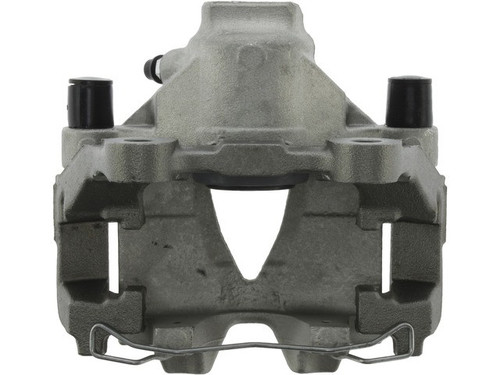
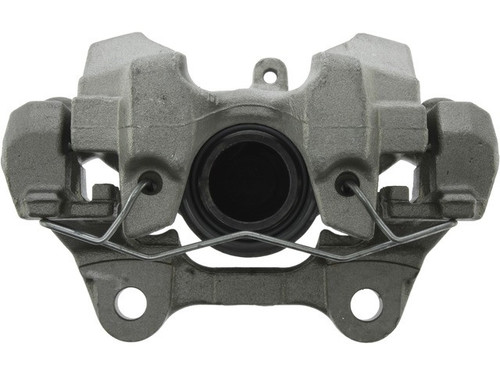

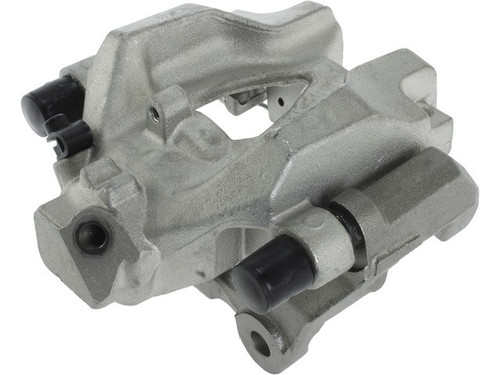
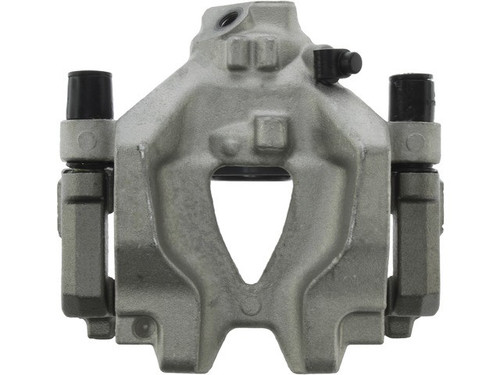

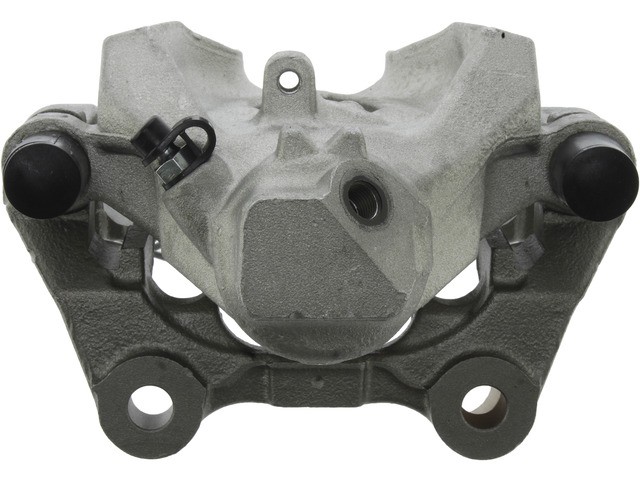
Deliver reliable hydraulic clamping force to your rear brakes with the Centric Parts disc brake caliper (P/N 141.35627), a remanufactured rear right semi-loaded unit that converts hydraulic pressure into the force that squeezes the pads against the rotor. It's a direct-fit replacement for many vehicles, among them the 2014-2017 Mercedes-Benz E400, 2012-2017 Mercedes-Benz E550 and 2012-2016 Mercedes-Benz C250 — see the Buyer's Guide tab for the full list.
Remanufactured to exacting standards: rebuilt for predictable, reliable performance and long service life.
Pressure tested & inspected: 100% pressure tested and inspected to confirm proper operation and fitment.
Corrosion protection: tumble blasted and treated with an anti-corrosion finish to help resist rust.
Ready to install: includes hardware and brackets where applicable, plus the bleeder screw; comes without brake pads. Published bore size: 40.
Made in the United States. If a seized, leaking, or dragging caliper is the cause of uneven braking on your vehicle, this replaces the original rear right unit.
Interchange: 9902853A · 19B6659 · 1017 · 2044230106 · 300X22 · 61233707 · 24282684 · 2044231881
This part cross-references / interchanges with the following part numbers:
What vehicles does Centric Parts caliper 141.35627 fit?
It fits many vehicles, among them the 2014-2017 Mercedes-Benz E400, 2012-2017 Mercedes-Benz E550 and 2012-2016 Mercedes-Benz C250. Check the Buyer's Guide tab for the full list.
Which position is this caliper for?
It is cataloged as the rear right (passenger-side rear) caliper for the listed applications.
Are brake pads included?
No. This semi-loaded caliper comes without brake pads. It includes hardware and brackets where applicable, plus the bleeder screw, to help with installation.
Is this a new or remanufactured caliper?
It is remanufactured, rebuilt to exacting standards and 100% pressure tested and inspected to confirm proper operation and fitment.
How do I know if my caliper needs replacing?
Signs a caliper may need replacing include fluid leaks at the caliper, a dragging or seized piston, or uneven braking. Diagnose the cause before ordering, as other parts can produce similar symptoms.


WARNING: These products can expose you to chemicals including lead and phthalates, which are known to the State of California to cause cancer and birth defects or other reproductive harm. For more information go to www.P65Warnings.ca.gov.
