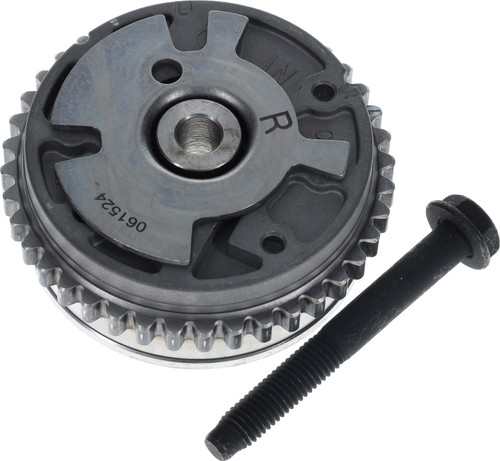
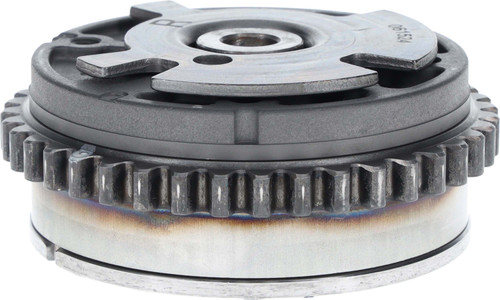
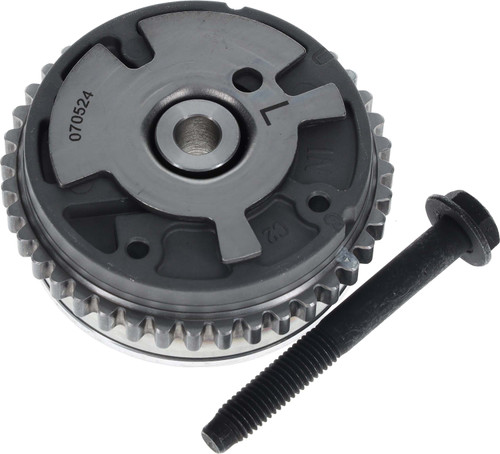
Cloyes VC110 right VVT sprocket for the 2008-2009 Chevrolet Equinox V6 3.6L, the 2010-2012 Equinox V6 3.0L, the 2013-2017 Equinox V6 3.6L and other vehicles adjusts camshaft timing on the intake side. It is a repair option for higher mileage engines.
- Precision-tooled tooth form for exact camshaft timing
- 100% production-tested for adjustable angle, leakage, locking pin function and friction
- Materials chosen to withstand extreme heat, pressure and wear
- New torque-to-yield attachment bolts, valving bolts included, for proper installation and phaser function
- Works with the existing timing system
Quick facts
- Part: Cloyes VC110 VVT sprocket
- Also called: engine variable valve timing vvt sprocket
- Fits: the 2008-2009 Chevrolet Equinox V6 3.6L, the 2010-2012 Equinox V6 3.0L, the 2013-2017 Equinox V6 3.6L and other vehicles
- Position: Intake (right)
- Condition: New
A worn VVT sprocket can show up as a rattle at start-up, a rough idle or a check engine light, but each of those has other possible causes. With the engine off, look at the oil level on the dipstick and have the codes read, so the cause is found before you replace the sprocket.
Fits
The vehicles it fits include the 2009-2022 Chevrolet Traverse V6 3.6L and the 2012-2020 Chevrolet Impala V6 3.6L. The intake right position takes one sprocket on these vehicles; this listing is one sprocket, and any other position is ordered separately.
Specifications
Fit and size
- Position: Intake (right)
- Quantity per vehicle: 1
- Mounting hole diameter: 35.992 mm (1.417 in)
- Timing marks: 2
Build and materials
- Condition: New
- Warranty: Cloyes Limited Lifetime Warranty
In the box
One VVT sprocket with its attachment bolts.
Installation notes
- Replacing the timing chain, tensioners, sprockets and guides along with the VVT sprocket helps keep the system stable and the engine timing precise.
Frequently Asked Questions
Will the Cloyes VC110 fit a 2013-2017 Chevrolet Equinox V6 3.6L?
Yes. Cloyes VC110 is the intake right VVT sprocket for the 2013-2017 Chevrolet Equinox V6 3.6L. For another car, look up its year and engine in the "Vehicles it fits" section.
Does the Cloyes VC110 VVT sprocket come with bolts?
Yes. Cloyes VC110 comes with new torque-to-yield attachment bolts, including valving bolts.
What is the mounting hole diameter on this VVT sprocket?
The mounting hole measures 35.992 mm (1.417 in). The sprocket has 2 timing marks.
Is an engine variable valve timing VVT sprocket the same as a camshaft phaser?
Yes. VVT sprockets are also known as camshaft phasers. Cloyes VC110 is sold as one sprocket for the intake right position.
How is the Cloyes VC110 tested?
Every unit is tested and measured for function, fitment and durability. The tests cover adjustable angle, leakage, locking pin function and friction.