Dayco Engine Timing Belt P/N:95306
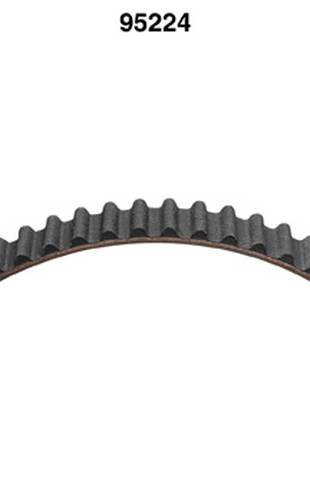
Dayco 95224 timing belt for the 1992-2000 Honda Civic 4-cylinder 1.6L and other vehicles keeps the camshaft turning in step with the crankshaft. Also called an engine timing belt, it is listed for the camshaft position.
A worn timing belt can show cracks, fraying or missing teeth. Rough running or a no-start can also come from other parts, so with the engine off and cool, look over the old belt for those marks before you replace it. A shop can run any test that needs the engine turning.
It is a timing belt for the 1992-2000 Honda Civic 4-cylinder 1.6L, the 1997-2000 Acura EL and the 1993-1997 Honda Civic Del Sol 4-cylinder 1.6L. The 1992-2000 Honda Civic 4-cylinder 1.6L takes one belt, and the others listed take one as well.
Fit and size
Build and materials
Interchange: TB-224 · 026-0307 · CD-224 · 25-90224 · 222-B224
T224 · B224 · T224RB · 40224 · 250224 · TX224
Product information is for general reference and may contain errors. See our Disclaimer.
This part cross-references / interchanges with the following part numbers:
Is Dayco 95224 a timing belt replacement for the 1992-2000 Honda Civic 4-cylinder 1.6L?
Yes. Dayco 95224 is listed for the 1992-2000 Honda Civic 4-cylinder 1.6L, and that engine takes one belt.
How many teeth does this Dayco timing belt have?
Dayco 95224 has 104 round teeth with a 9.525 mm (0.375 in) pitch, and its effective length is 991 mm (39.02 in).
What material is the Hi Temp 95224 belt made from?
The belt is made from highly saturated (acryl) nitrile with Hi Temp construction and a round tooth profile.
What marks on an old timing belt can mean it is worn?
Cracks, fraying or missing teeth can mean the belt is worn. Look with the engine off and cool; a shop can handle anything that needs the engine running.
Does Dayco 95224 replace TB-224?
Yes. TB-224 is one of the numbers this Dayco 95224 belt replaces, along with 026-0307, CD-224 and others on the Interchange line.
No reviews yet — be the first to review this product.
Write a Review
WARNING: These products can expose you to chemicals including lead and phthalates, which are known to the State of California to cause cancer and birth defects or other reproductive harm. For more information go to www.P65Warnings.ca.gov.