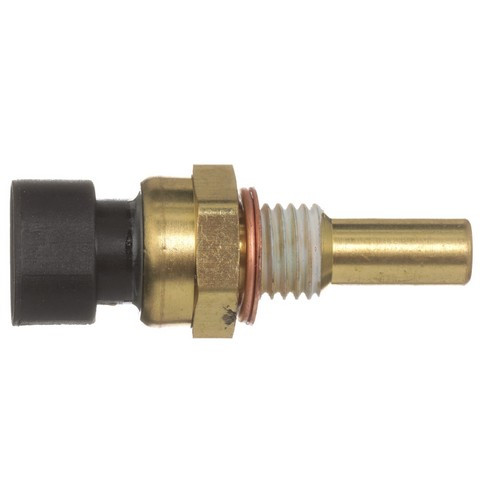
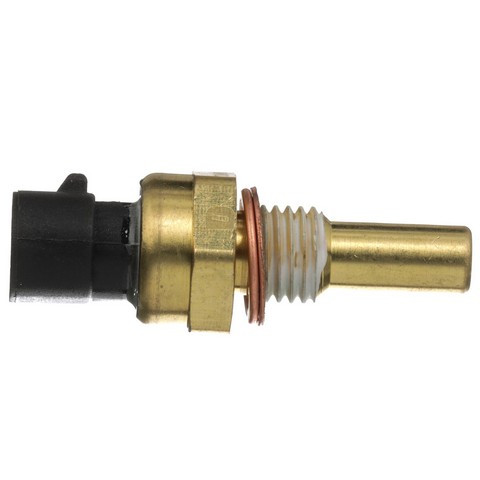
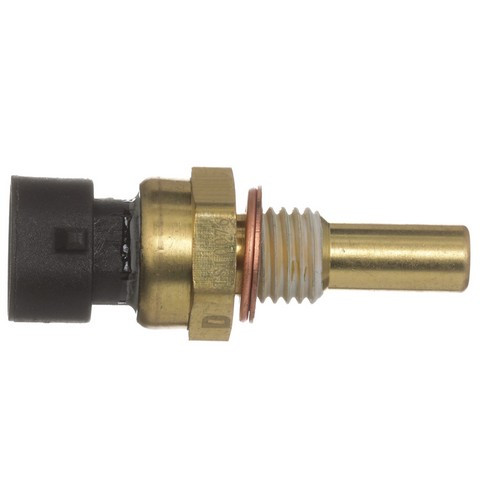
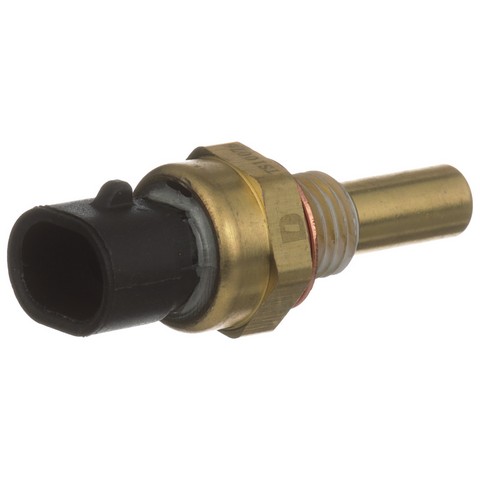
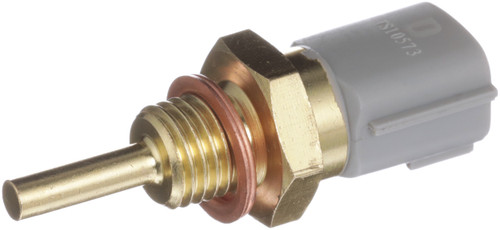
Delphi TS10076 coolant temperature sensor for the 2000-2020 Chevrolet Tahoe and other vehicles measures coolant temperature for the engine computer. The Delphi coolant temperature sensor signal helps the computer track how hot the engine is running.
- Delphi temperature sensor built to give accurate readings
- One-piece design and automated production remove internal connectors and failure points
- Each sensor is electrically insulated against interference from other components in the vehicle
- Sensor is impervious to electrical noise and interference
Quick facts
- Part: Delphi TS10076 coolant temperature sensor
- Also called: engine coolant temperature sensor
- Fits: 2000-2020 Chevrolet Tahoe and other vehicles
- Condition: New
A failing engine coolant temperature sensor can show up as an erratic temperature gauge or a check engine light. Before you replace it, rule out a damaged connector, a wiring fault or a different cooling system problem, since those can look similar.
Fits
This sensor is listed for a wide range of Chevrolet, GMC, Cadillac and Buick models, including the 2000-2020 Chevrolet Tahoe, the 2009-2012 Chevrolet Colorado V8 5.3L and the 2010-2017 Chevrolet Equinox. This listing is one sensor, which matches the quantity of one per vehicle. If your vehicle isn't named here, enter its year and engine on the Buyer's Guide tab.
Specifications
Fit and size
- Quantity per vehicle: 1
- Pieces per listing: 1
Build and materials
- Construction: one-piece design
- Electrical insulation: each sensor insulated
- Condition: New
In the box
One coolant temperature sensor.