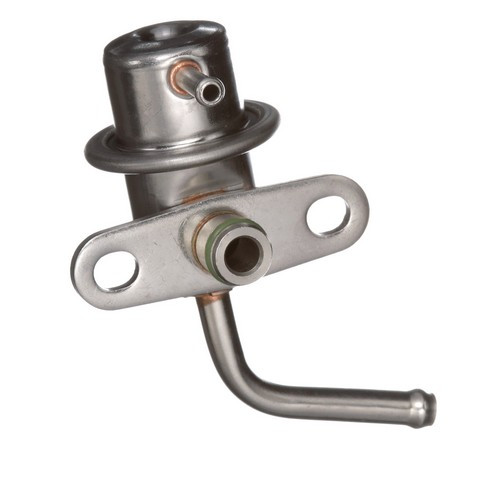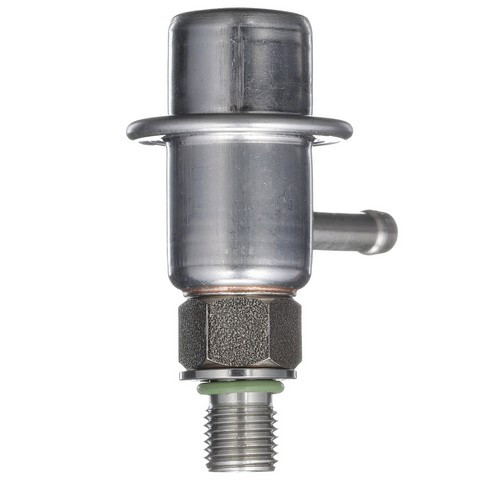
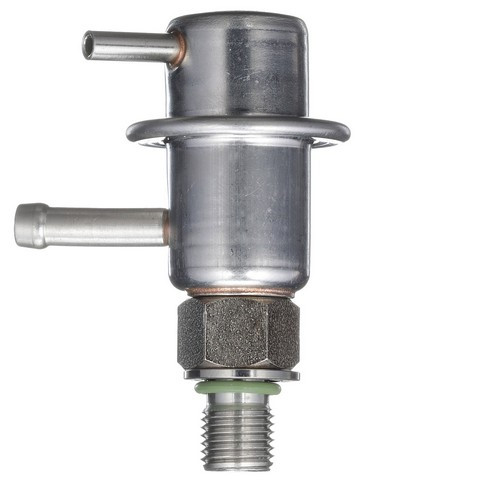
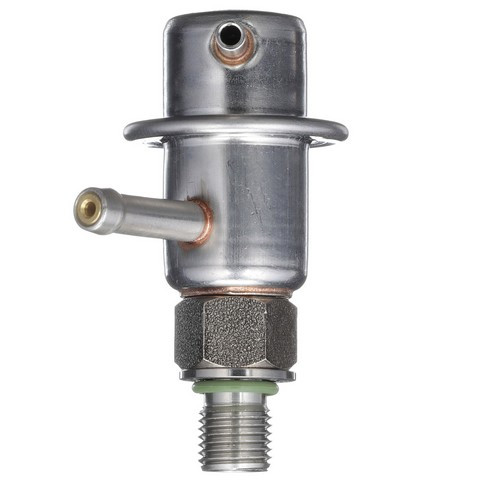
Delphi Fuel Injection Pressure Regulator P/N:FP10494
Delphi FP10508 fuel injection pressure regulator for the 1998-2001 Honda Accord V6 3.0L and other vehicles controls fuel pressure in the injection system. This Delphi fuel injection pressure regulator is tested with OE engineering.
Hard starting, poor fuel economy or an uneven idle can mean a regulator is wearing out. A weak fuel pump gives similar symptoms, so these signs alone do not prove the regulator is the problem.
This fuel injection pressure regulator is a direct-fit replacement for the 1998-2001 Honda Accord V6 3.0L, the 1999-2001 Honda Odyssey V6 3.5L, the 1997-1999 Acura CL V6 3.0L and other vehicles. A 1998-2001 Honda Accord V6 3.0L takes one.
Interchange: 158-0678 · 16740-P8A-A01 · 16740-P8A-M01 · 16740-P8E-A01 · 800-337
5G1011 · 24031 · PR225 · PR4110
This part cross-references / interchanges with the following part numbers:
Is the Delphi FP10508 the right regulator for a 1998-2001 Honda Accord V6 3.0L?
Yes, Delphi FP10508 fits the 1998-2001 Honda Accord V6 3.0L. If your car is a different model, look it up in the "Vehicles it fits" section to see whether it is covered.
Does this regulator fit the 1999-2001 Honda Odyssey V6 3.5L?
Yes. The 1999-2001 Honda Odyssey V6 3.5L takes one Delphi FP10508 fuel injection pressure regulator.
Can this fuel injection pressure regulator handle high-ethanol fuel?
Yes. The Nitrile™ diaphragms in Delphi FP10508 are resilient against high-ethanol fuels.
Could hard starting mean a worn fuel injection pressure regulator?
It can. A rough idle, hesitation or uneven fuel pressure can also mean the regulator is worn, and a shop can test fuel pressure to confirm.
Does Delphi FP10508 replace part number 16740-P8A-A01?
Yes. 16740-P8A-A01 is one of the numbers this Delphi FP10508 fuel injection pressure regulator replaces; the other cross-references are on the Interchange line.
No reviews yet — be the first to review this product.
Write a ReviewWARNING: These products can expose you to chemicals including lead and phthalates, which are known to the State of California to cause cancer and birth defects or other reproductive harm. For more information go to www.P65Warnings.ca.gov.