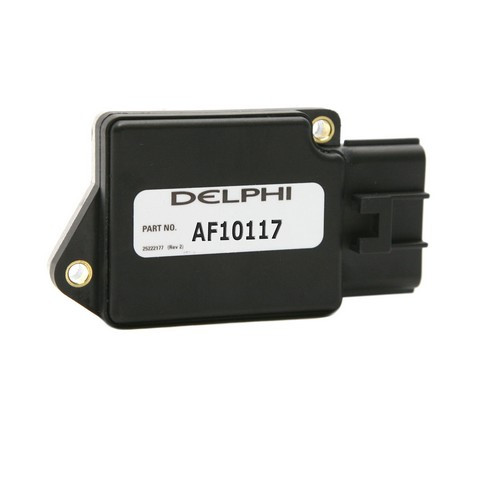
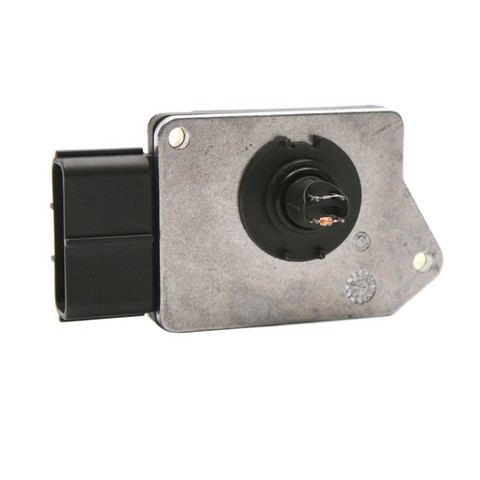
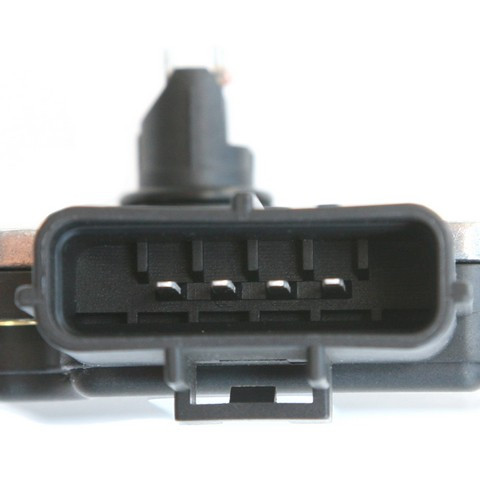
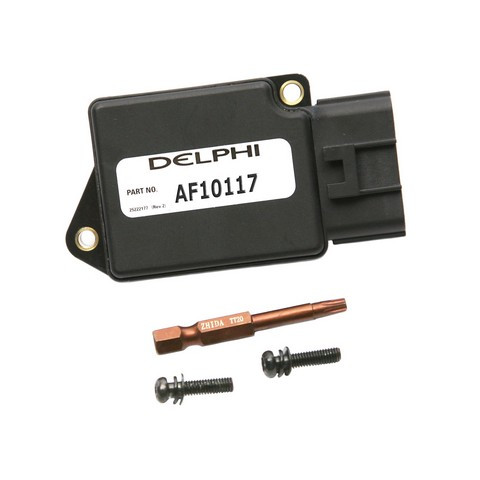
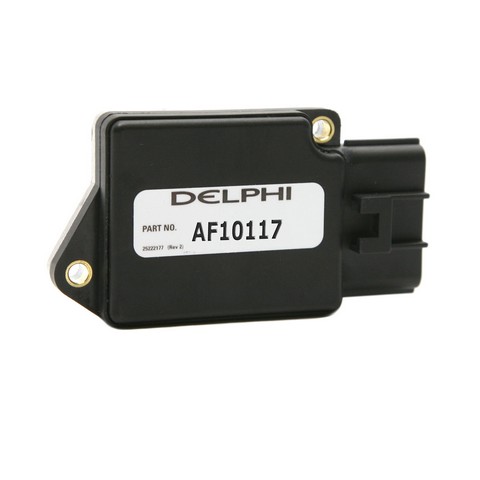
Delphi Mass Air Flow Sensor P/N:AF10137
Delphi AF10117 mass air flow sensor for the 1995-1997 Ford Ranger 4-cylinder 2.3L, the 1995-2000 Ranger V6 3.0L, the 1998-2001 Ranger 4-cylinder 2.5L and other vehicles measures the air entering the engine so the engine computer can meter fuel. This Delphi MAF sensor is designed and tested to meet or exceed OE requirements.
A rough idle, hesitation when you accelerate or a check engine light can mean the sensor is failing. A vacuum leak or a clogged air filter can show up the same way, so track down the cause before buying one. Each engine takes one sensor, and this listing is one.
The 1996-1999 Ford Taurus V6 3.0L and the 1998-2002 Mazda 626 4-cylinder 2.0L take this sensor too, along with the Ranger engines above and many other vehicles.
One mass air flow sensor, probe only.
Is this the right Ranger mass air flow sensor for the 1998-2001 Ford Ranger 4-cylinder 2.5L?
Yes. Delphi AF10117 fits the 1998-2001 Ford Ranger 4-cylinder 2.5L, the 1995-1997 Ranger 4-cylinder 2.3L and the 1995-2000 Ranger V6 3.0L. If your car is another model, look it up in the "Vehicles it fits" section.
Is this a Ford Taurus mass air flow sensor for the 1996-1999 Taurus V6 3.0L?
Yes. Delphi AF10117 is listed for the 1996-1999 Ford Taurus V6 3.0L, and that engine takes one sensor.
Does this mass air flow sensor come with the housing?
No. This mass air flow sensor is the probe only, so the housing is not included. The probe-only design removes the need to replace the flow tube.
What can a failing mass air flow sensor look like when driving?
A rough idle, hesitation when you accelerate or a check engine light can go with a failing sensor. A shop can read the stored codes and test the sensor.
How is this mass air flow sensor calibrated and tested?
Delphi builds it from calibrated all-new components and tests it to match the OE part. Its sensing elements are made to perform over a wide range of ambient temperatures.
No reviews yet — be the first to review this product.
Write a ReviewWARNING: These products can expose you to chemicals including lead and phthalates, which are known to the State of California to cause cancer and birth defects or other reproductive harm. For more information go to www.P65Warnings.ca.gov.