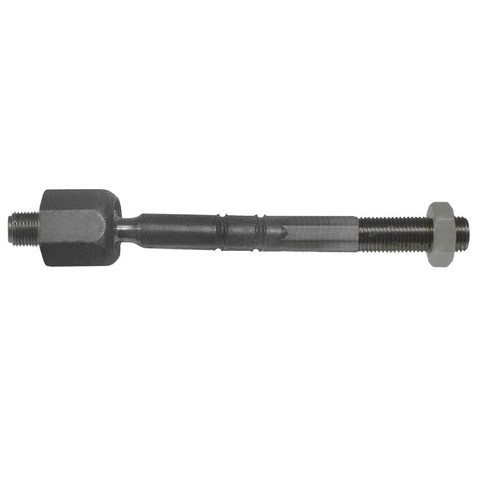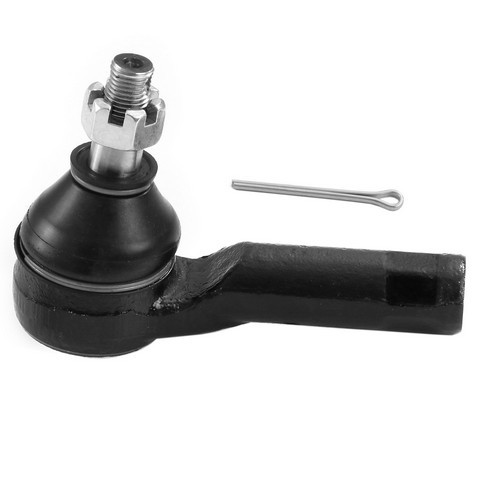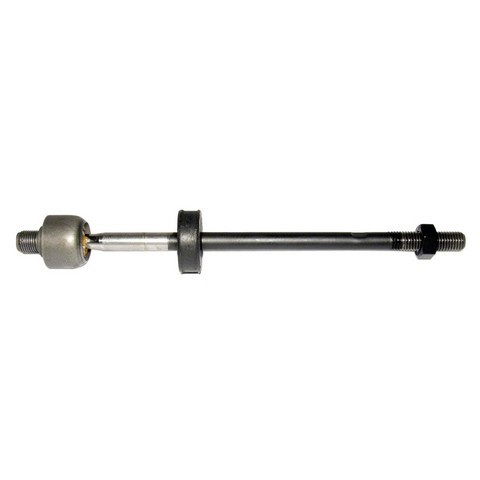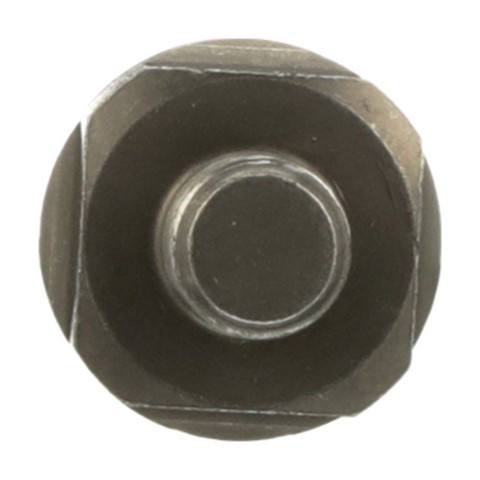
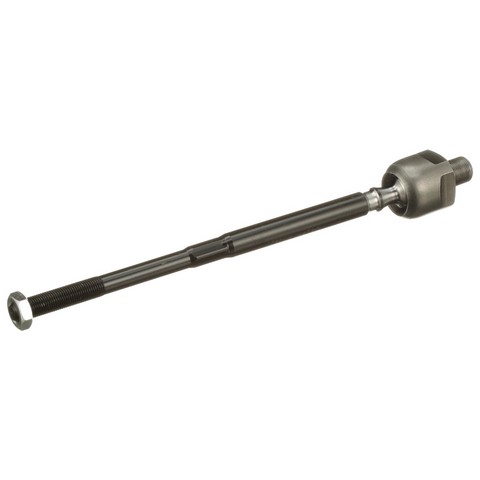
Delphi Steering Tie Rod End P/N:TA6408
Keep steering tight and predictable with the Delphi Inner Steering Tie Rod End TA1734, a direct-fit replacement for the 1991-1993 Nissan NX and 1991-1999 Nissan Sentra. This inner tie rod end links the steering rack to the outer joint and transfers steering input to the front wheels; a worn joint can show up as loose or wandering steering, uneven front tire wear, or a knocking sensation when turning. Delphi draws on its OE steering expertise, testing to the extreme for OE performance — its parts withstand temperatures below -40°C and above 120°C and endure 720 hours of salt spray, with extensive dimensional and material analysis for close OE-to-aftermarket compatibility.
See the Buyer's Guide tab for the full engine-level application list. This is an inner tie rod end; the tie rods work as a left/right pair, so inspect and replace both sides as needed for balanced, even steering.
Interchange: 101-4217 · 48521-50400 · 48521-50Y00 · 48521-50Y25 · 48521-Y02G0 · NI-A616
1014217 · 4852150400 · 4852150Y00 · 4852150Y25 · 48521Y02G0 · NIA616 · 4852150Y26 · 4852150Y27 · 4852185F00 · AX07136 · IS322 · IS322PR · EV322 · ES2922X · GEV322 · MEV322 · JAR146
This part cross-references / interchanges with the following part numbers:
What vehicles does the Delphi TA1734 tie rod end fit?
It is a direct-fit inner steering tie rod end for the 1991-1993 Nissan NX and 1991-1999 Nissan Sentra. See the Buyer's Guide tab for the full engine-level application list.
Is this an inner or outer tie rod end?
This is an inner steering tie rod end, which connects the steering rack to the outer tie rod and transfers steering input toward the front wheels.
What are the signs a tie rod end may need replacing?
Common signs include loose or wandering steering, uneven front tire wear, and a knocking sensation when turning. Have the cause diagnosed, since other steering parts can produce similar symptoms.
How is the Delphi TA1734 tested for durability?
Delphi tests to the extreme, with parts withstanding temperatures below -40°C and above 120°C plus 720 hours of salt spray. The ball stud is machined to micron tolerances and the tie rods are fatigue tested.
Should I replace both tie rod ends at once?
The tie rod ends work as a left/right pair, so it is good practice to inspect both sides and replace as needed for balanced, even steering.
WARNING: These products can expose you to chemicals including lead and phthalates, which are known to the State of California to cause cancer and birth defects or other reproductive harm. For more information go to www.P65Warnings.ca.gov.