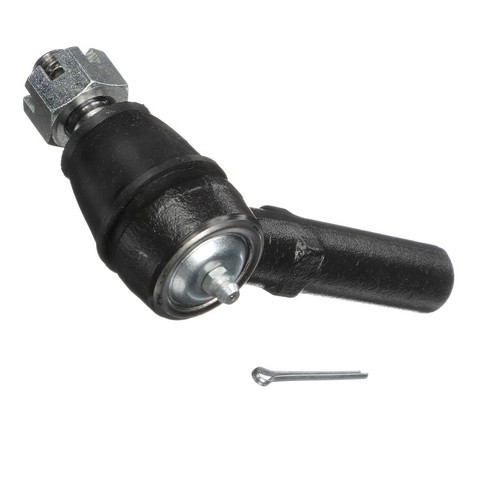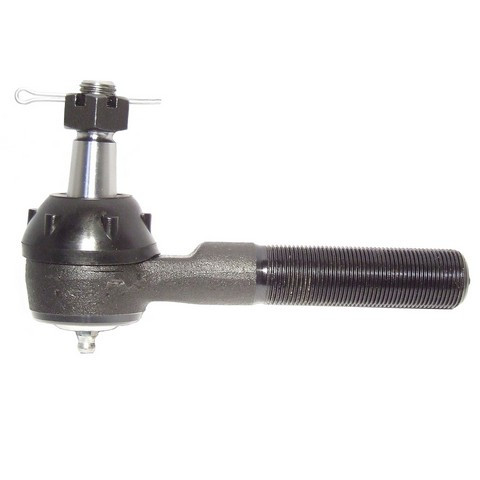
Delphi Steering Tie Rod End P/N:TA2614
Help address loose, wandering steering with the Delphi tie rod end TA2166, a left outer steering tie rod end that connects the steering linkage to the knuckle and transmits your steering input to the wheel while allowing the joint to pivot. It is a direct-fit replacement for many vehicles, among them the 1980-1996 Ford F-150, the 1980-1997 Ford F-250, and the 1983-1992 and 1995-1997 Ford Ranger — see the "Vehicles it fits" section for the full list.
Signs this tie rod end may need replacing include play or looseness in the steering, a wandering feel, clunking, and uneven tire wear. Have the cause diagnosed first; if a worn left outer tie rod end is behind it, this tie rod end replaces it. A wheel alignment is recommended after installation.
Interchange: 612.65043 · E0TZ-3A131D · F0TZ 3A131-B · FOTZ 3A131-B
61265043 · E0TZ3A131D · F0TZ3A131B · FOTZ3A131B · E9TZ3A131E · T2078 · T2078RD · T2078XL · ES2078L · ES2078LT · GES2078LT · MES2078LT · MES2615R · MES3343L · JTE7059
This part cross-references / interchanges with the following part numbers:
Is this the right tie rod end for a 1980-1996 Ford F-150?
Yes, it is listed for the 1980-1996 Ford F-150. Check the "Vehicles it fits" section for the full list of vehicles it fits.
Which position is this tie rod end?
It's the left outer tie rod end.
Does this fit the 1983-1992 and 1995-1997 Ford Ranger?
Yes. This Ford Ranger tie rod end is a direct-fit replacement listed for the 1983-1992 and 1995-1997 Ford Ranger; confirm your specifics in the "Vehicles it fits" section.
What are the signs I need a new tie rod end?
Play or looseness in the steering, a wandering feel, clunking, and uneven tire wear. Have the cause diagnosed; if the left outer tie rod end is worn, this replaces it.
Do I need an alignment after installing it?
Yes, a wheel alignment is recommended after replacing a tie rod end to set the toe correctly and help prevent uneven tire wear.
No reviews yet — be the first to review this product.
Write a Review
WARNING: These products can expose you to chemicals including lead and phthalates, which are known to the State of California to cause cancer and birth defects or other reproductive harm. For more information go to www.P65Warnings.ca.gov.