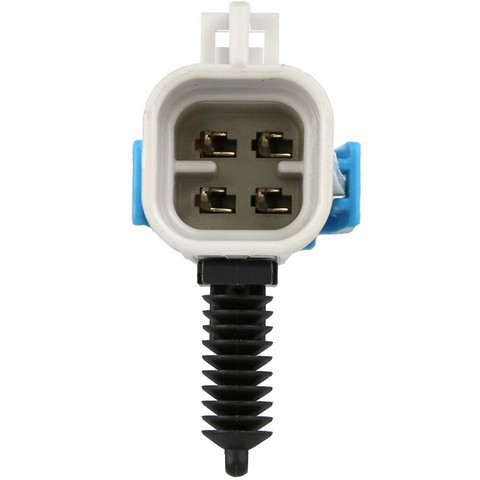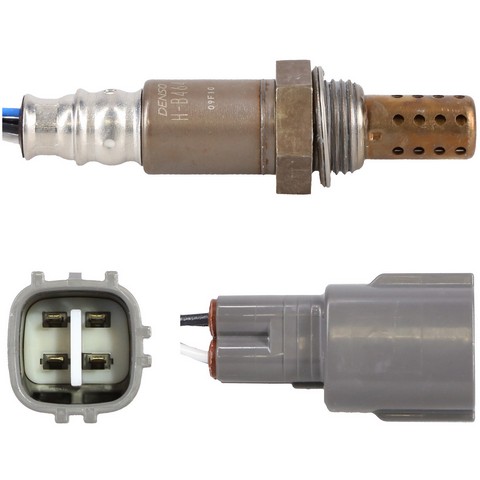
DENSO Auto Parts Oxygen Sensor P/N:234-4642
DENSO Auto Parts 234-4447 oxygen sensor for the 2005-2009 Subaru Outback H6 3.0L, the 2010-2014 Outback H6 3.6L and other vehicles measures the oxygen left in the exhaust and reports it to the engine computer. This heated, narrow-band sensor sits downstream.
A failing oxygen sensor can bring a check engine light, poorer fuel economy or a rough idle. None of that proves the sensor is at fault, since an exhaust leak near it can skew its readings too.
It is a direct-fit Subaru Legacy oxygen sensor for the 2008-2009 Subaru Legacy H6 3.0L and the 2010-2014 Legacy H6 3.6L, and it also fits the 2008-2014 Subaru Tribeca H6 3.6L. It is made and tested to the strictest OE standards. These Subarus take two, and this listing is one sensor. If your Subaru is not named here, look up its year and engine in the "Vehicles it fits" section.
Fit and size
Build and materials
This part cross-references / interchanges with the following part numbers:
Is this a Subaru Outback oxygen sensor replacement for the 2010-2014 Outback H6 3.6L?
Yes. DENSO Auto Parts 234-4447 is listed for the 2010-2014 Subaru Outback H6 3.6L, and it is the downstream sensor.
Is this the right oxygen sensor for a 2005 Subaru Outback H6 3.0L?
Yes. The 2005-2009 Subaru Outback H6 3.0L takes two downstream sensors of this type, and this listing is one sensor.
What thread size and wire length does this DENSO Auto Parts oxygen sensor have?
DENSO Auto Parts 234-4447 has a 0.708 in thread diameter and a 12.72 in wiring harness with a male connector.
How can I tell if a downstream oxygen sensor is going bad?
A check engine light, poorer fuel economy or a rough idle can go along with a worn sensor. A shop can test it with a scan tool to confirm.
Is this oxygen sensor narrow-band or wideband?
This is a narrow-band sensor, and it is heated.
No reviews yet — be the first to review this product.
Write a Review
WARNING: These products can expose you to chemicals including lead and phthalates, which are known to the State of California to cause cancer and birth defects or other reproductive harm. For more information go to www.P65Warnings.ca.gov.