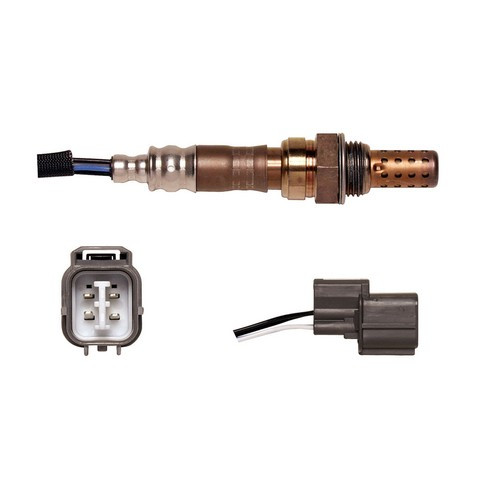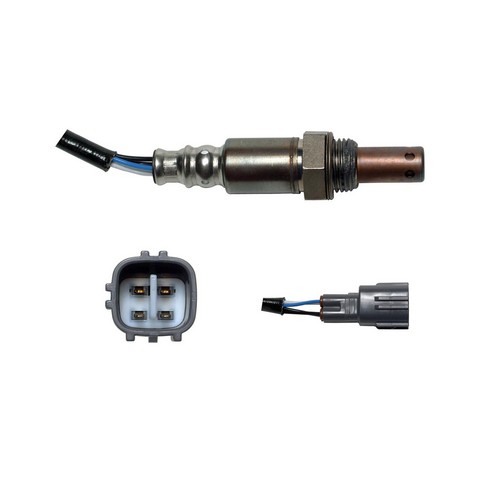
DENSO Auto Parts Oxygen Sensor P/N:234-8062
Keep your engine's air-fuel feedback accurate with the DENSO Oxygen Sensor 234-4804, a 4-wire heated, narrow-band sensor that drops in as a direct-fit replacement for the 2003-2004 Toyota 4Runner (V6-4.0L). It's cataloged for the downstream, left-side position, where the sensor reads the oxygen content of the exhaust so the ECU can trim fueling and monitor catalytic converter operation.
Built and tested to DENSO's strict OE standards for exact replacement. If a failed oxygen sensor is the cause of your rich/lean codes, this replaces it; diagnose the underlying cause before installing. Country of origin: Japan.
Interchange: 213-2935 · 2132935 · OS1591 · 13355 · ES20223 · 24848 · SG837 · 8946560220 · 250-24906 · 25024906 · 350-34269 · 35034269. Manufacturer part number 234-4804 (also 2344804).
This part cross-references / interchanges with the following part numbers:
Which vehicle does this DENSO 234-4804 fit?
It is a direct-fit replacement for the 2003-2004 Toyota 4Runner with the V6-4.0L engine. Check the Buyer's Guide tab to confirm the fit for your specific vehicle.
What position is this sensor for?
It is cataloged for the downstream, left-side oxygen sensor position, where it reads exhaust oxygen content to help the ECU monitor catalytic converter operation.
What type of oxygen sensor is this?
It is a 4-wire, heated, narrow-band oxygen sensor with a threaded mount, male connector, 0.708 in thread diameter, and a 13.39 in wiring harness.
What does the aluminum oxide trap layer do?
DENSO designed the trap layer to help protect the ceramic element from silicone and lead poisoning. The laser-welded stainless housing and PTFE filter also resist corrosion and contaminants.
Will this fix my check engine light?
If a failed oxygen sensor is the cause of your rich/lean codes, this replaces it. Because those symptoms can have other causes, diagnose the underlying issue before replacing the sensor.
WARNING: These products can expose you to chemicals including lead and phthalates, which are known to the State of California to cause cancer and birth defects or other reproductive harm. For more information go to www.P65Warnings.ca.gov.