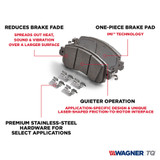
Wagner Brake Disc Brake Pad Set P/N:PD865
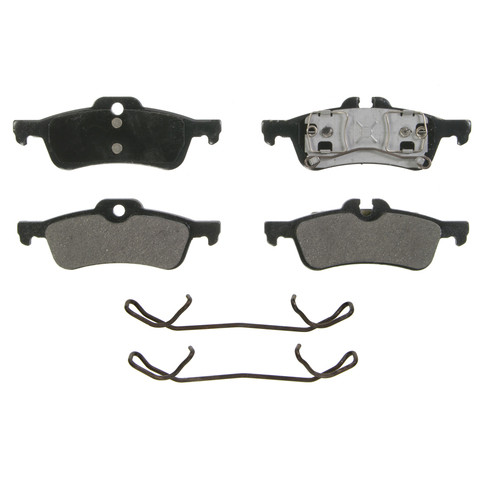
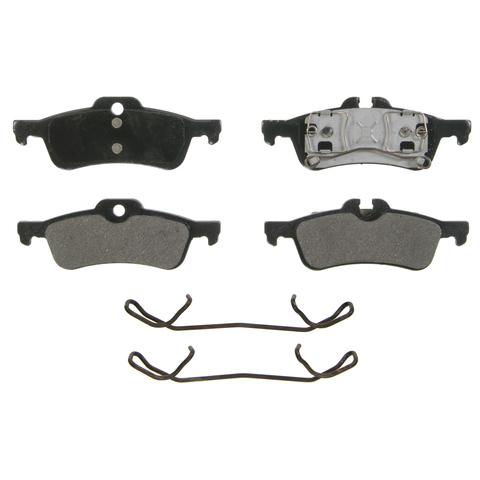
The Wagner Brake ZX1060 rear brake pad for the 2002-2008 Mini Cooper and other vehicles is a semi-metallic set that squeezes the rotor to slow the rear wheels.
Squealing, grinding or friction material worn thin can mean the rear brake pads are due for replacement. With the wheels off for the brake job, look the rear rotors over for deep grooves or cracks first, since a damaged rotor can also make noise.
This Wagner Brake disc brake pad set is a direct fit as rear brake pads for the 2002-2008 Mini Cooper and the 1985-1986 Chrysler Laser, and either car takes one set.
Fit and size
Build and materials
In the box: one rear brake pad set with pad shims and abutment clips. A pad wear sensor is not included.
Interchange / FMSI:
FMSI: 7842A-D1060 · D1060
This part cross-references / interchanges with the following part numbers:
Is the Wagner ZX1060 the right 2002-2008 Mini Cooper brake pad for the rear axle?
Yes. Wagner Brake ZX1060 is a rear brake pad set that fits the 2002-2008 Mini Cooper, and that car takes one set.
When changing brake pads on a 2002-2008 Mini Cooper, does the ZX1060 come with shims and clips?
Yes. The Wagner Brake ZX1060 rear set includes pad shims and abutment clips; a pad wear sensor is not included.
Are these Wagner QuickStop rear pads ceramic or semi-metallic?
These QuickStop rear brake pads are semi-metallic and use the Wagner OE25™ zero-copper friction formulation.
Can a grinding sound from the rear brakes mean these semi-metallic pads are worn out?
Yes. Grinding, squealing or friction material that looks thin during a brake or tire service can mean these rear brake pads are worn, and worn pads should be replaced promptly.
What does the 100% post-cure process do for these QS brake pads?
The 100% post-cure process is used so these rear brake pads keep even friction performance for the whole life of the pad, and QS pads are designed and tested to restore like-new performance.
WARNING: These products can expose you to chemicals including lead and phthalates, which are known to the State of California to cause cancer and birth defects or other reproductive harm. For more information go to www.P65Warnings.ca.gov.