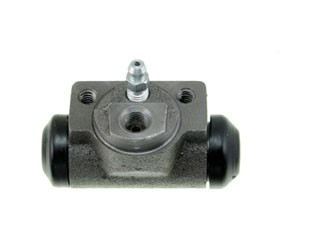
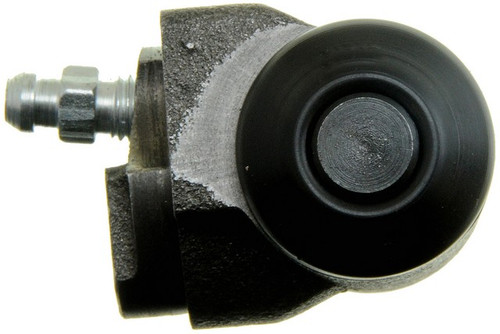
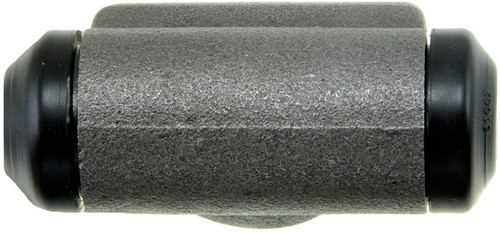
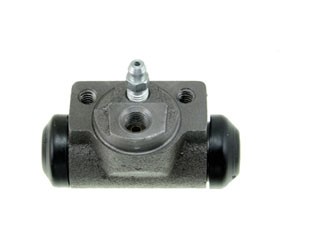
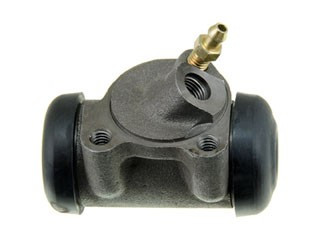
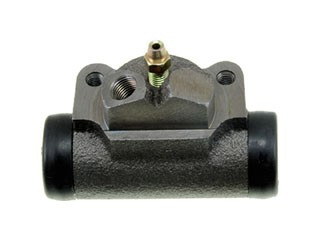
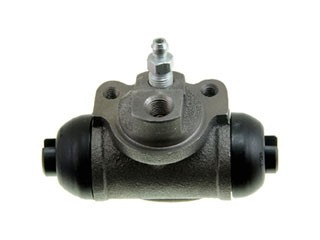
Put hydraulic pressure to work at the rear drums with the Dorman drum brake wheel cylinder W37590 from the Dorman - First Stop line. When you press the pedal, it pushes the brake shoes out against the drum. It fits many vehicles, among them the 1984-1987 Dodge Charger, 1983-1987 Chrysler Town & Country and 1983-1988 Dodge 600. See the Buyer's Guide tab for the full list and engine details.
Dorman designed this direct-replacement rear wheel cylinder to mirror the original unit's fit, function and performance on the listed applications. Each unit is manufactured and tested for quality assurance.
- Direct match: Designed as a direct counterpart to the original drum brake wheel cylinder on the listed vehicles.
- Cost-effective service: Replacing the wheel cylinder while the drum brakes are already apart is a quick, economical way to renew a key hydraulic component during the brake job.
- EPDM rubber cups and boots: The pressure cups and boots are made from high-quality EPDM rubber.
- Surface-tested bores: The cylinder bores are surface-tested to provide an optimum sealing surface for the pressure cups.
Signs a wheel cylinder may need replacing include brake fluid seeping from behind the drum or onto the shoes, a soft or sinking brake pedal, and a dropping brake fluid level. If a leaking or sticking wheel cylinder is the cause, this unit replaces it. Bleed the brake system after installation as directed by the vehicle service information.
Interchange: 784-32004 · 84-32004 · 101-1531 · W-83004 · 134.63004 · 135.63004 · 375-39002
78432004 · 8432004 · 1011531 · W83004 · 13463004 · 13563004 · 37539002 · 18E212 · W906531 · 33863 · 4238706 · WC13863 · 107475 · WC37590 · F107475 · WC107475
This part cross-references / interchanges with the following part numbers:
18E212, 784-32004, 84-32004, W906531, 101-1531, W-83004, 33863, 134.63004, 135.63004, 4238706, WC13863, 375-39002, 107475, WC37590, F107475, WC107475