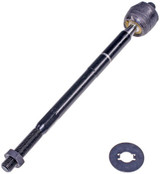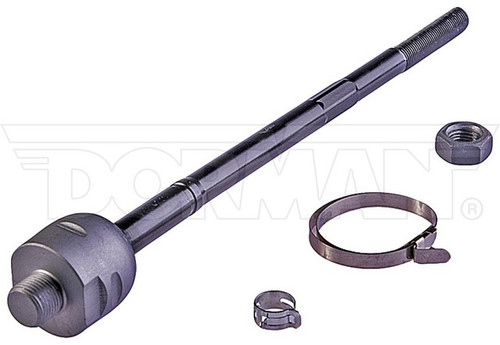
Dorman - OE Solutions Steering Tie Rod End P/N:541-231
Keep steering input flowing to the front wheels with the Dorman OE Solutions 541-313. This front inner tie rod end directly replaces the original equipment part on the 1996-2000 Honda Civic and 1997-2000 Acura EL. See the Buyer's Guide tab for engine details.
The tie rod end is part of the steering linkage and carries movement from the steering gear toward the front wheel. Dorman runs this part through what it calls an industry-leading evaluation process, aimed at smooth, safe operation.
If a worn tie rod end is the cause of loose or wandering steering, excess play in the wheel or uneven tire wear, this part replaces it. A wheel alignment is recommended after installation.
Interchange: 101-4820 · 612.40014 · EV-367
45A0902 · 46A0902A · TA2038 · 53010S04000 · EV367 · ES4097 · ES4097E · GEV367 · MEV367 · JAR478 · 1014820 · 61240014
This part cross-references / interchanges with the following part numbers:
Is this the right Honda Civic tie rod for a 2000 model?
Yes. It is listed as a front inner tie rod end for the 1996-2000 Honda Civic, which includes the 2000 model. Check the Buyer's Guide tab to confirm your exact vehicle.
What does a steering tie rod end do?
It is part of the steering linkage and transmits movement from the steering gear to the front wheel. This one is the front inner end.
What are signs a tie rod end may need replacing?
Common signs include loose or wandering steering, excess play in the wheel, clunking when turning and uneven tire wear. Diagnose the cause first, because other steering parts can cause similar symptoms.
How is the 541-313 housing built?
Dorman describes it as a factory-sealed, precision-forged housing that resists corrosion. It is engineered to reduce the wear rate and support overall strength.
Do I need an alignment after installing it?
An alignment is recommended, because replacing a tie rod end affects toe settings. Follow the vehicle service information for installation steps and torque specifications.
WARNING: These products can expose you to chemicals including lead and phthalates, which are known to the State of California to cause cancer and birth defects or other reproductive harm. For more information go to www.P65Warnings.ca.gov.