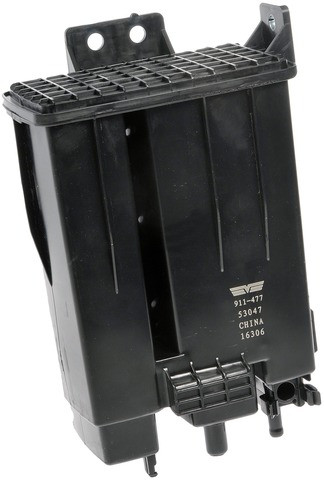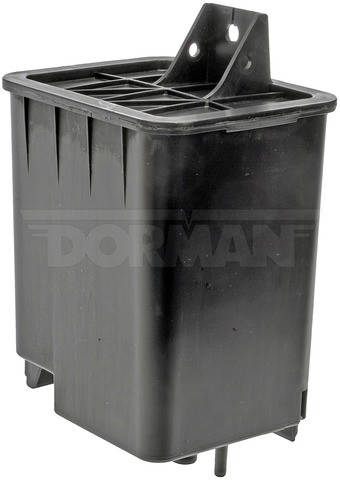
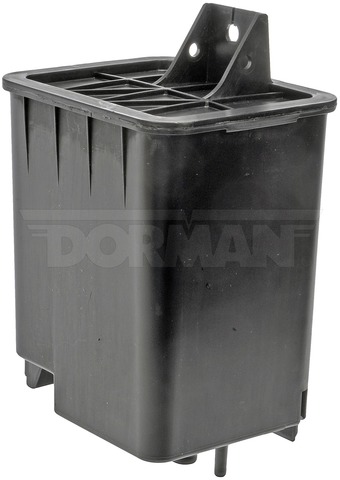
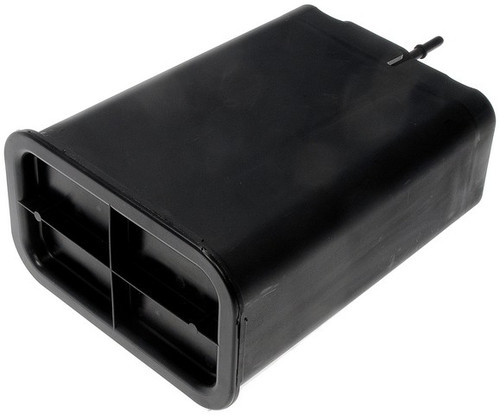
Dorman - OE Solutions Vapor Canister P/N:911-272
Capture fuel-tank vapors before they escape with this Dorman evap canister, part number 911-862. This evaporative emissions charcoal canister is a direct-fit replacement for the 1998-2003 Hyundai Accent, built to take the place of the original unit in the vehicle's EVAP system.
Inside, the charcoal collects fuel vapor from the tank and holds it until the engine draws it in to be burned, so it does not vent to the atmosphere. A damaged canister, or one that no longer holds vapor properly, may cause the EVAP system to log a fault.
Other EVAP components can produce the same codes and symptoms, so diagnose the system before you install this Dorman vapor canister. See the Buyer's Guide tab for engine-level fitment details.
Interchange: 4B1845 · CP1394 · 3142022900 · CP3259 · VC4715
This part cross-references / interchanges with the following part numbers:
What does a vapor canister do?
It stores fuel vapor from the tank in charcoal until the engine draws the vapor in to be burned, so the vapor does not vent to the atmosphere.
What are signs the canister may need replacing?
Common signs include a check engine light with an EVAP-related code, a fuel odor, trouble filling the tank, or a cracked or damaged canister. Diagnose the EVAP system first, because other parts can cause these symptoms.
Will replacing the canister clear my check engine light?
If a failed canister is the cause of the fault, this unit replaces it. Other EVAP components can set the same codes, so confirm the diagnosis before installing.
Will this evap canister fit my 1998-2003 Hyundai Accent?
It is a direct-fit replacement for the 1998-2003 Hyundai Accent. See the Buyer's Guide tab for engine-level fitment details.
Is this the right vapor canister for a 2001 Hyundai Accent?
The 2001 model year is within the 1998-2003 Hyundai Accent range this canister is listed for. Check the Buyer's Guide tab for engine details.
WARNING: These products can expose you to chemicals including lead and phthalates, which are known to the State of California to cause cancer and birth defects or other reproductive harm. For more information go to www.P65Warnings.ca.gov.