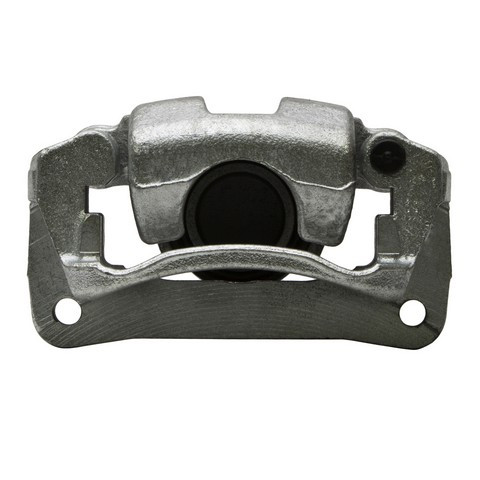


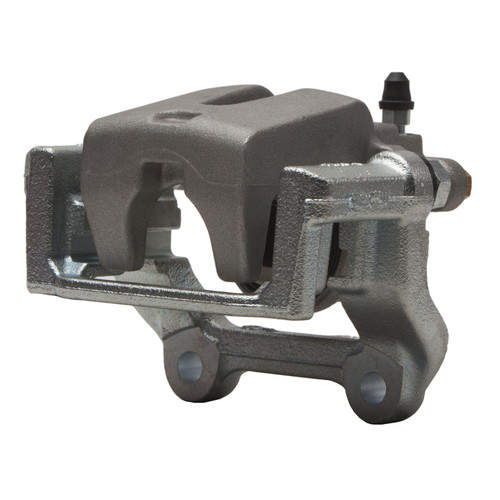


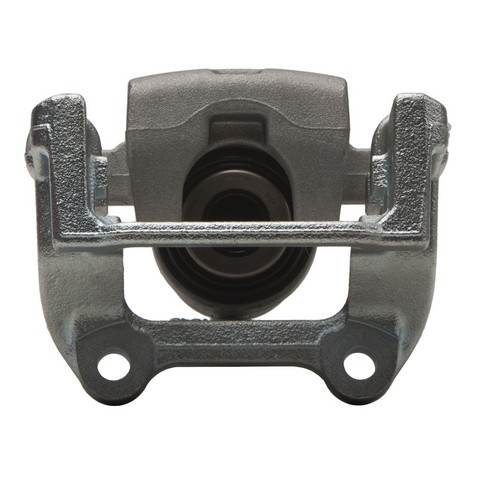
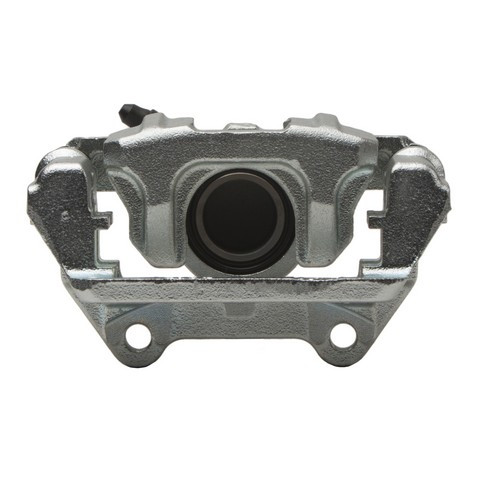
Dynamic Friction 331-40631 rear brake caliper for the 2006-2019 Dodge Charger and other vehicles squeezes the brake pads against the rotor to slow the wheel. It is one of the Dynamic Friction brake calipers made for the rear axle.
Rear calipers are normally replaced as a pair, and this listing is one caliper. A worn caliper can show as pulling to one side, a soft pedal or one pad wearing faster than the other. These signs can have other sources in the brake system, so during a brake service with the wheels off, look for uneven pad wear and fluid around the caliper before replacing it.
This rear caliper is listed for a wide range of Chrysler and Dodge models, among them the 2006-2019 Dodge Charger, a brake caliper for the 2005-2023 Chrysler 300 and the 2009-2017 Dodge Challenger.
Fit and size
Build and materials
One caliper with its bleeder screw; brake pads are not included. These vehicles take two rear calipers, so the second is ordered separately.
Is this Dodge Charger brake caliper right for the rear of a 2006-2019 Dodge Charger?
Yes. Dynamic Friction 331-40631 is a rear caliper listed for the 2006-2019 Dodge Charger. For another car, look up your model and year in the "Vehicles it fits" section.
Are these Challenger brake calipers made for the rear of a 2009-2017 Dodge Challenger?
Yes. This rear caliper from Dynamic Friction is listed for the 2009-2017 Dodge Challenger, and that car takes two on the rear axle.
Do I need to buy brake pads separately with this rear caliper?
Yes. Dynamic Friction 331-40631 comes as one caliper with its bleeder screw, and the brake pads are not included.
What size is the piston in the 331-40631 caliper?
The caliper has a single piston, 42 mm in diameter, made of phenolic.
How can I tell if a rear disc brake caliper is sticking?
A sticking caliper can show as the car pulling to one side, a burning smell after driving or one rear pad wearing faster than the other. A shop can confirm the cause.
No reviews yet — be the first to review this product.
Write a Review




WARNING: These products can expose you to chemicals including lead and phthalates, which are known to the State of California to cause cancer and birth defects or other reproductive harm. For more information go to www.P65Warnings.ca.gov.
