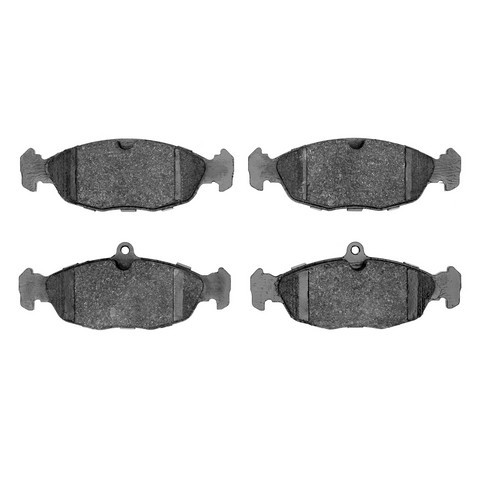
Dynamic Friction Company Disc Brake Pad Set P/N:1551-1812-01
Designed for a consistent pedal feel and responsive stops, the Dynamic Friction DFC 5000 Advanced ceramic brake pads, part number 1551-1812-00, are cataloged for the rear axle. They fit many vehicles, among them the 2011-2020 Hyundai Elantra, 2014-2016 Kia Optima and 2020-2025 Kia Soul. See the Buyer's Guide tab for the full list and engine details.
This disc brake pad set comes from DFC's 5000 Advanced ceramic line. The line draws on selected original equipment manufacturer formulations and uses friction materials chosen for the demands of today's vehicles.
Whether you are replacing the rear pads on a 2013 Hyundai Elantra or doing a Kia Soul brake pad change, this set is a direct-fit replacement for the listed applications. Inspect the rotors and brake hardware during installation. Follow the vehicle service information for the correct procedure and torque values.
Does this Hyundai Elantra brake pad fit the rear of my car?
It is listed as a rear brake pad for the 2011-2020 Hyundai Elantra. Check the Buyer's Guide tab to confirm your exact year and engine.
What friction material do these pads use?
They are part of Dynamic Friction's DFC 5000 Advanced ceramic line. The line uses selected OE formulations and friction materials designed for vehicles with ABS and automated braking systems.
Are these brake pads easy on rotors?
Dynamic Friction describes the DFC 5000 Advanced pads as rotor friendly and designed for long pad wear.
What are signs my rear brake pads may need replacing?
Common signs include squealing or grinding when braking, longer stopping distances, or friction material worn thin. Inspect the brakes to confirm the cause before replacing parts.
How should these pads be installed?
Follow the vehicle service information for the rear brakes, inspect the rotors and hardware, and bed in the new pads as directed. Professional installation is recommended if you are unsure.
WARNING: These products can expose you to chemicals including lead and phthalates, which are known to the State of California to cause cancer and birth defects or other reproductive harm. For more information go to www.P65Warnings.ca.gov.