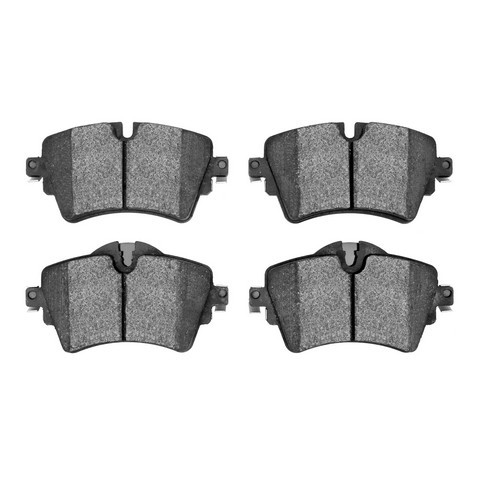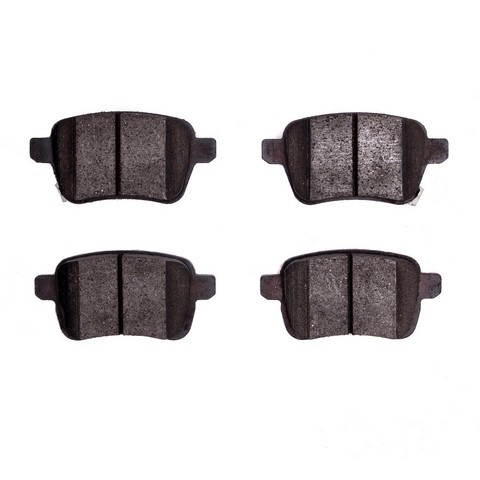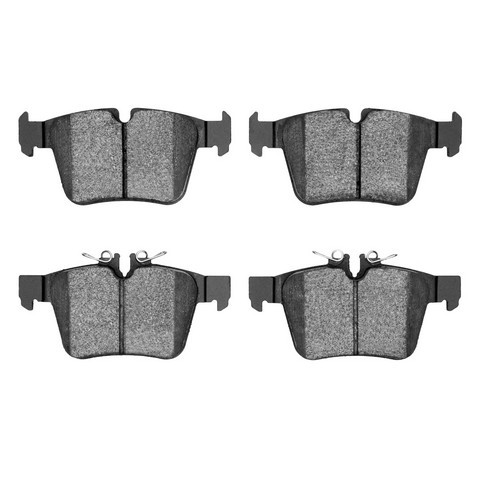
Dynamic Friction Company Disc Brake Pad Set P/N:1600-1795-00

Be the first to review this product
$45.99
MPN: 1600-1795-00
UPC: 190920608339
Item Package Quantity: 1
Adding to cart… The item has been added

Have questions?

Dynamic Friction Company Disc Brake Pad Set P/N:1600-1795-00
$45.99

Help keep rear braking steady and brake dust down with the Dynamic Friction Company EURO 5000 Ceramic Brake Pads, part number 1600-1795-00. They are built around an advanced ceramic formulation for European applications. These pads fit many vehicles, among them the 2015-2023 Mercedes-Benz C300, 2011-2018 Mercedes-Benz C180 and 2015-2018 Mercedes-Benz C200. See the Buyer's Guide tab for the full list and engine details.

  • Advanced ceramic formulation: developed for European applications.
  • Excellent fade resistance: designed to resist brake fade as the brakes heat up.
  • Low dust: formulated to produce low brake dust.
  • Stable friction performance: consistent friction across a wide temperature range.

This rear disc brake pad set does a simple but critical job. When you press the pedal, the pads are squeezed against the rotors to create the friction that slows the vehicle. Your rear pads may need replacing if you notice squealing or grinding, weaker braking response, a pad-wear warning, or friction material worn thin. If worn pads are the cause, this set replaces them. Inspect the rotors at the same time, and follow the vehicle service information for the installation procedure.

Frequently Asked Questions

Are these the right Mercedes C300 brake pads for my car?

They are listed as rear pads for the 2015-2023 Mercedes-Benz C300, and they also fit the 2011-2018 C180 and 2015-2018 C200. Check the Buyer's Guide tab to confirm your exact model and engine.

What does the EURO 5000 ceramic formulation offer?

Dynamic Friction describes it as an advanced ceramic formulation for European applications. It offers excellent fade resistance, low dust and stable friction across a wide temperature range.

Are these front or rear brake pads?

They are cataloged for the rear position on the listed applications.

What are signs my rear brake pads need replacing?

Common signs include squealing or grinding when braking, weaker braking response, a pad-wear warning, or friction material that looks thin on inspection.

How are these brake pads installed?

Follow the vehicle service information for the procedure and torque specs. Inspect the rotors while the wheels are off.