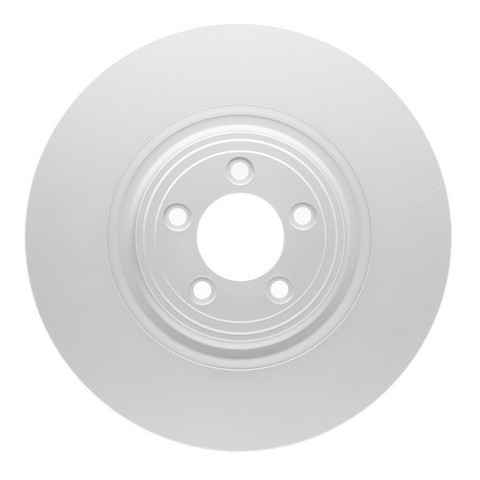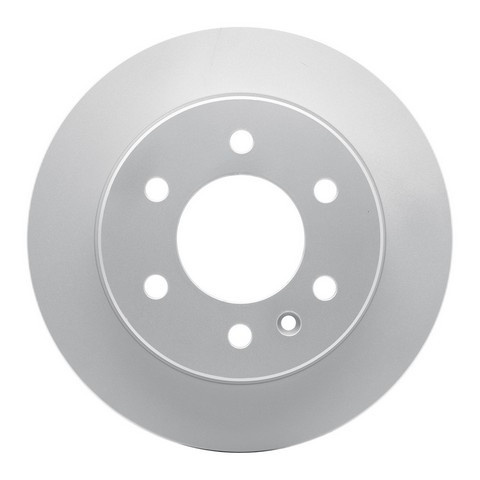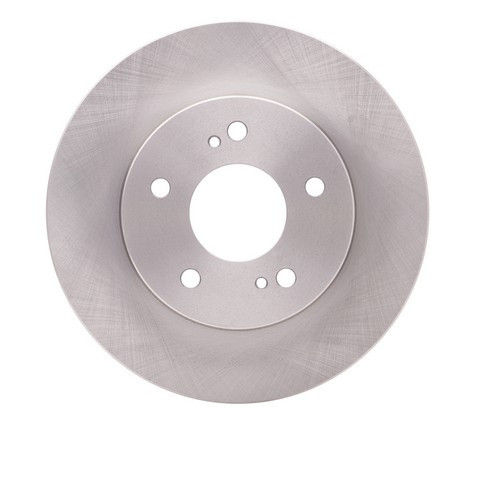
Dynamic Friction Company Disc Brake Rotor P/N:600-67043
Help keep stops smooth and steady at the back of the car with the Dynamic Friction brake rotor 604-67043, a DFC GEOSPEC coated blank rotor that fits as a direct-fit rear replacement for the 1994-2003 Nissan Maxima, 2002-2004 Infiniti I35 and 1996-2001 Infiniti I30. Dynamic Friction Company designs it to meet the same form, fit and function as OEM brake rotors, making it a replacement option when the rotors on your 1994-2003 Nissan Maxima are worn.
Each rotor is quality tested. The rotor gives the rear brake pads a flat, true surface to clamp against, turning pad pressure into stopping force. For even, balanced braking, replacing both rear rotors together as a matched pair is recommended, along with inspecting the pads and following the vehicle service procedure for installation and torque.
Will this fit as a brake rotor for my 1994-2003 Nissan Maxima?
Yes. It is a direct-fit rear rotor for the 1994-2003 Nissan Maxima, and it also fits related Infiniti models. Check the Buyer's Guide tab to confirm your exact vehicle.
What does a disc brake rotor do?
The rotor turns with the wheel, and the brake pads clamp against its surfaces to create the friction that slows the vehicle. This DFC rotor installs on the rear axle.
What is this rotor made of and how is it finished?
It is made with G3000/G11H18 iron castings, CNC-machined and mill-balanced, with a non-directional finish and DFC's GEOSPEC coating for corrosion protection.
Do I need to clean the rotor before installing it?
No. DFC says it is ready to install with no additional pre-degreasing needed. Replacing both rear rotors as a matched pair is recommended for balanced braking.
What are signs the rear rotors may need replacing?
A pulsing brake pedal, deep grooves or scoring, grinding noises, or rotors worn below minimum thickness are signs the rotors may need replacing. Inspect the brakes to confirm the cause before replacing.
WARNING: These products can expose you to chemicals including lead and phthalates, which are known to the State of California to cause cancer and birth defects or other reproductive harm. For more information go to www.P65Warnings.ca.gov.