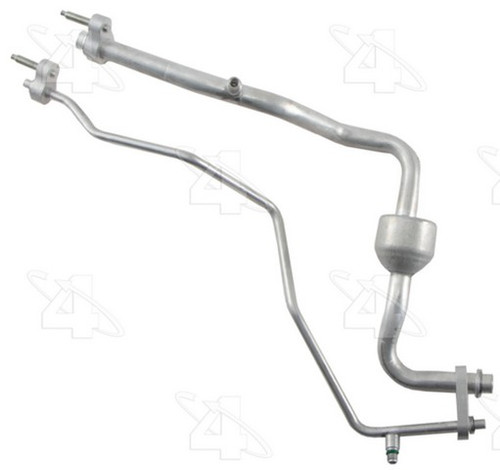
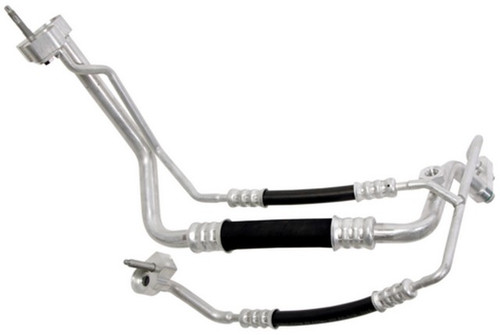
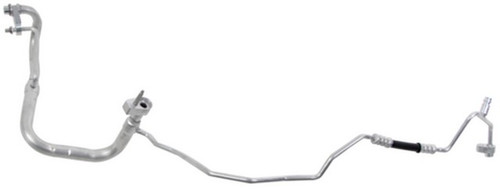
Four Seasons A/C Suction and Liquid Line Hose Assembly P/N:63073
$115.99
(You save)
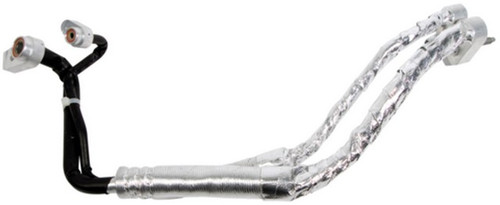
Route refrigerant reliably between the condenser, evaporator, and compressor with the Four Seasons A/C Suction and Liquid Line Hose Assembly, MPN 63073. This application-specific assembly drops in as a direct-fit replacement for the 2020-2023 Hyundai Sonata, carrying both the high-pressure liquid and low-pressure suction refrigerant through a single internal heat-exchange hose. Sometimes searched as an A/C suction line, it combines both circuits into one factory-matched unit.
Double-wall barrier hose: constructed to be compatible with R-1234yf, R-134a, or R-12 refrigerant.
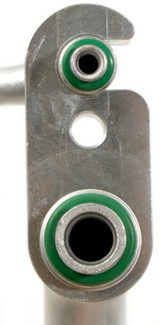
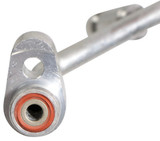
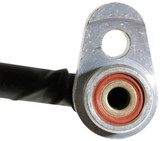
Crimp fitting connections: factory-style crimped ends for a secure, leak-resistant seal.
Seals included: contains the gaskets, o-rings, or seals needed to properly complete the replacement.
Application-specific design: engineered to match the routing of the original line.
Refrigerant lines can leak or corrode at the fittings and crimps over time, showing up as weak cooling, low system charge, or oily residue at the connections. If a failed suction/liquid line is the cause, this assembly replaces it with a matched-fit part backed by Four Seasons' decades of mobile A/C experience. Always evacuate and recharge the system to the correct refrigerant type and capacity after installation.
Interchange: 97777L5000 · 212767
This part cross-references / interchanges with the following part numbers:
63073, 97777L5000, 212767
Frequently Asked Questions
What vehicles does this A/C line assembly fit?
It is a direct-fit replacement for the 2020-2023 Hyundai Sonata. See the Buyer's Guide tab to confirm the exact fit for your vehicle.
What does this hose assembly do?
It routes high-pressure liquid and low-pressure refrigerant between the compressor, condenser, and evaporator through a single internal heat-exchange hose.
Which refrigerants is this hose compatible with?
The double-wall barrier hose is constructed to be compatible with R-1234yf, R-134a, or R-12 refrigerant.
Does it come with seals?
Yes. It contains the gaskets, o-rings, or seals needed to properly complete the replacement.
What are signs this line may need replacing?
Weak cooling, low refrigerant charge, or oily residue around the fittings can indicate a leaking line. Diagnose the cause before replacing, then evacuate and recharge the system.
Write a Review
Four Seasons
Four Seasons A/C Suction and Liquid Line Hose Assembly P/N:63073
Suction & Liquid Line Hose Assembly w/o Orifice TubeOur products are engineered and tested to provide years of trouble free operation. Backed by over 50 years of mobile a/c experience, fix it once...
Suction & Liquid Line Hose Assembly w/o Orifice TubeOur products are engineered and tested to provide years of trouble free operation. Backed by over 50 years of mobile a/c experience, fix it once...
Suction & Liquid Line Internal Heat Exchange Hose AssemblyOur products are engineered and tested to provide years of trouble free operation. Backed by over 50 years of mobile a/c experience, fix it...
Suction & Liquid Line Internal Heat Exchange Hose AssemblyOur products are engineered and tested to provide years of trouble free operation. Backed by over 50 years of mobile a/c experience, fix it...
Suction & Liquid Line Hose Assembly w/o Orifice TubeOur products are engineered and tested to provide years of trouble free operation. Backed by over 50 years of mobile a/c experience, fix it once...
WARNING:
These products can expose you to chemicals including lead and phthalates, which are known to the State of California to cause cancer and birth defects or other reproductive harm. For more information go to
www.P65Warnings.ca.gov.