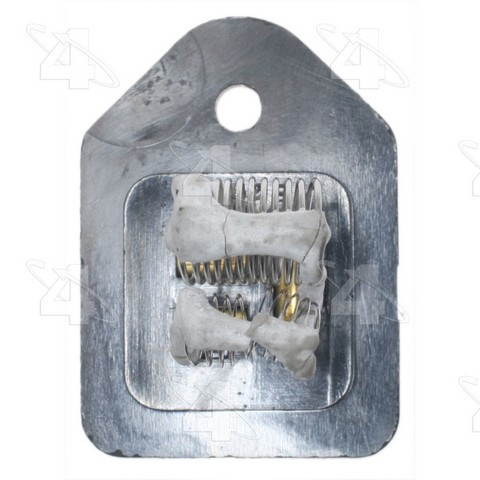
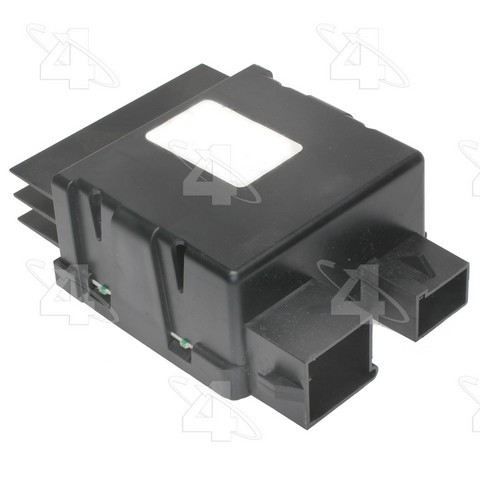
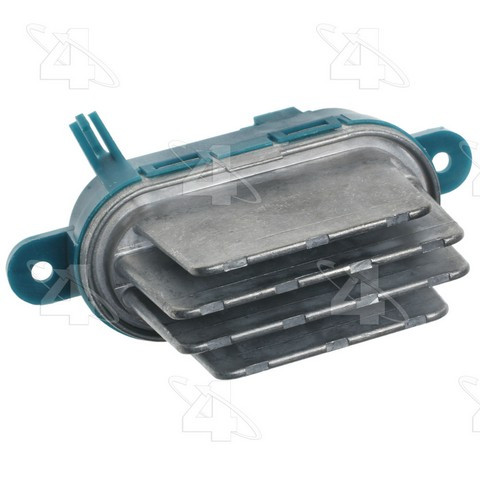
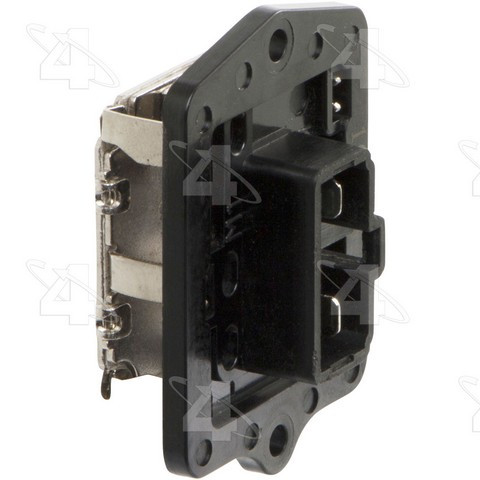
Control how hard your cab's heater and ventilation fan blows with the Four Seasons HVAC Blower Motor Resistor / Switch, part number 20465, a blower-speed Pickup switch built for the 1979-1981 Toyota Pickup. It is a direct-fit replacement for the listed applications; see the Buyer's Guide tab for engine details.
In the HVAC system, the blower motor resistor lowers the voltage sent to the blower motor on the lower fan settings, which is how the different fan speeds are produced. Four Seasons describes this part as an HVAC blower motor resistor, and it is also cataloged as a switch, so you may find it under either name.
- Vehicle-specific application: Made for the 1979-1981 Toyota Pickup.
- OE-style connectors: Built with connectors styled after the original for the vehicle's wiring connection.
- Quality contacts: Designed for proper electrical conductivity.
- Precision engineered: Engineered and tested by Four Seasons, backed by more than 50 years of mobile A/C experience.
Signs this part may need replacing include a blower that runs only on its highest setting, or one or more lower speeds that do nothing. A fan switch, wiring or the blower motor itself can cause the same signs, so diagnose the cause first; if the resistor is at fault, this Four Seasons switch replaces it.
Interchange: A07055 · 8713887004 · 8713889004 · JA1350
This part cross-references / interchanges with the following part numbers:
20465, A07055, 8713887004, 8713889004, JA1350