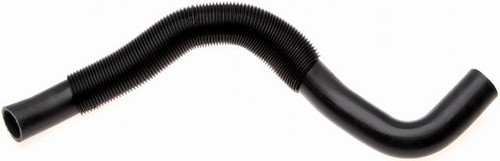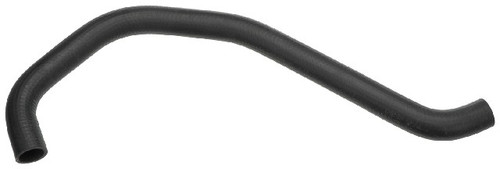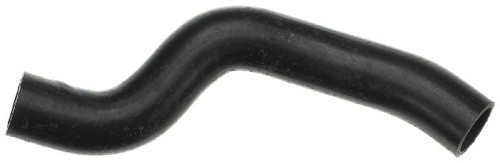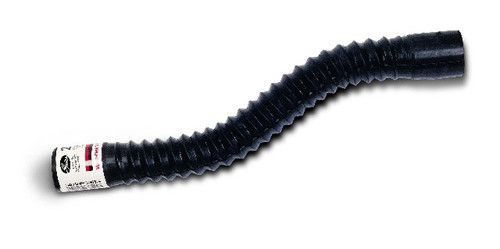
Keep coolant circulating between the engine and radiator with the Gates Radiator Coolant Hose 25474. It's a direct-fit replacement for the listed applications, including the 1991-1993 Alfa Romeo 164, the 1972-1974 BMW 2002, the 1955-1958 Chevrolet Bel Air, the 1965-1967 Chevrolet Chevelle, and the 1960-1965 Chevrolet C10 Pickup — see the Buyer's Guide tab for the full list of 165 applications.
- Coolant routing: Carries engine coolant between the engine and radiator so the cooling system can move heat away from the engine.
- Application-specific position: Cataloged in upper and lower configurations — including engine-to-radiator, engine-to-pipe, pipe-to-radiator, and pipe-to-pipe routings — depending on the vehicle; confirm the correct position for your application in the Buyer's Guide.
- Direct-fit replacement: Installs in place of the original hose on the listed applications.
A coolant hose is a wear item: heat, pressure, and time cause the material to harden, crack, swell, or leak. Signs this hose may need replacing include visible coolant seepage at the connections, bulging or spongy sections, or a hose that feels brittle. If a failed hose is the cause of coolant loss, replacing it restores a sealed coolant path.
Manufacturer part number 25474.
Frequently Asked Questions
What does the Gates 25474 hose do?
It routes engine coolant between the engine and radiator, letting the cooling system circulate coolant and carry heat away from the engine.
Is this an upper or lower radiator hose?
This part number is cataloged in both upper and lower positions (including engine-to-pipe, pipe-to-radiator, and pipe-to-pipe routings) depending on the vehicle. Check the Buyer's Guide for the correct position for your application.
Will it fit my vehicle?
It's a direct-fit replacement for the 165 listed applications, from the 1991-1993 Alfa Romeo 164 to the 1955-1958 Chevrolet Bel Air. See the Buyer's Guide tab to confirm your year, make, and model.
What are signs this hose needs replacing?
Look for coolant seepage at the ends, bulging or spongy spots, cracking, or a hardened, brittle feel. These are signs the hose material has aged and may need replacing.
Should I replace coolant when installing this hose?
Draining and refilling with the correct coolant is common when opening the cooling system. Consult the vehicle service information for the proper coolant type and fill procedure.
Write a Review