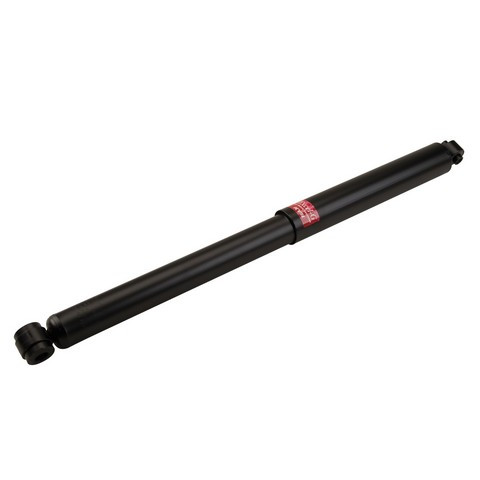
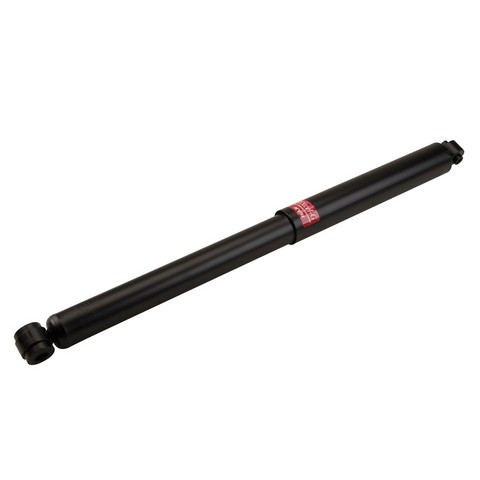
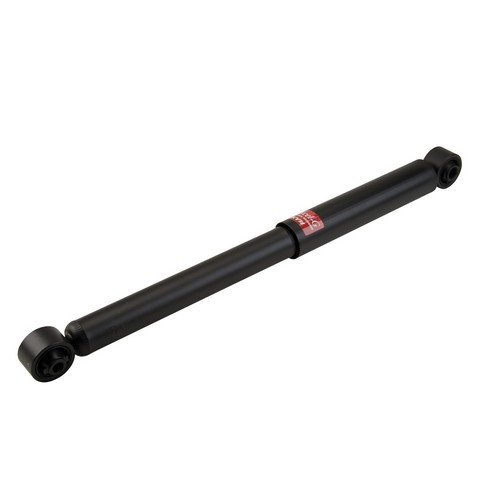
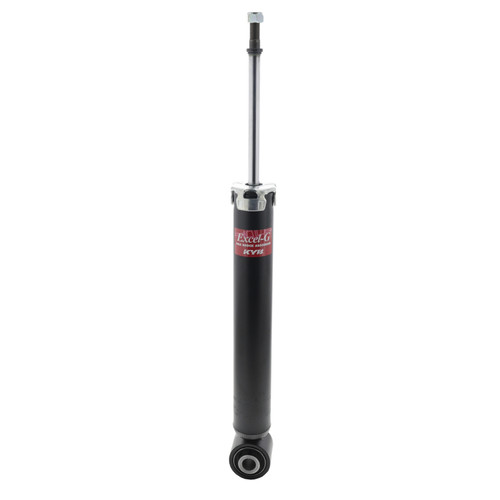
Help bring back the controlled, planted feel of a classic with the KYB shock absorber, part number 343159. It is a rear gas shock from the KYB Excel-G line, calibrated to help restore the vehicle's original designed performance rather than change it. It fits many classic Chrysler, Dodge and Plymouth vehicles, among them the 1966-1976 Dodge Charger, 1965-1970 Chrysler Town & Country and 1965-1969 Chrysler 300. See the Buyer's Guide tab for the full list.
Ride comfort matters, but KYB puts ride control, stability, stopping, lane-change responsiveness and handling first. KYB supplies shocks and struts to new-vehicle manufacturers. It builds the Excel-G on those same OE assembly lines with the same OE-quality components, which earned it KYB's OEA (Original Equipment for the Aftermarket) classification. KYB lists it as its recommended OEM replacement shock for classic domestic cars.
- Nitrogen gas-charged, twin-tube design: this KYB gas shock absorber carries every quality component KYB includes in its global OEM products.
- Triple-lip fluid seal: designed to reduce the chance of oil and gas leaking out.
- Vehicle-specific damping valves: hand-assembled in-house and designed to manage tire contact, steering response and body movement.
- Rear position: cataloged for the rear suspension of the listed applications.
Signs a rear shock may need replacing include excessive bouncing after bumps, rear-end sway or squat, fluid seeping from the shock body, and uneven tire wear. Because these symptoms can have other causes, diagnose the suspension before replacing parts.
Interchange: 82131 · 32073