


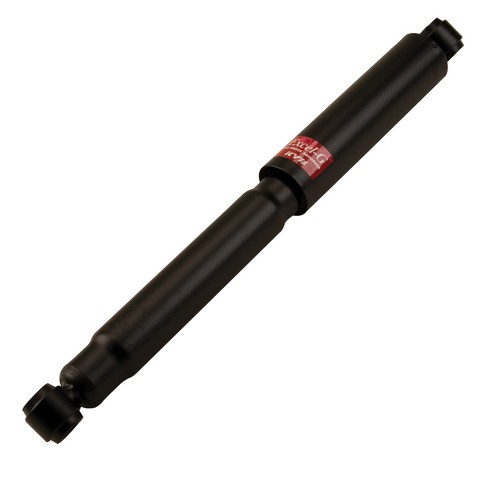
Bring back composed ride control with the KYB shock absorber (MPN 344015), a nitrogen gas-charged, twin-tube Excel-G unit built on KYB's OE assembly lines. This is a rear gas shock absorber that drops in as a direct-fit replacement for the 1981-1987 Isuzu Pickup, 1984-1986 Isuzu Trooper, 1986 Jeep Comanche, 2000-2004 Nissan Frontier, 2000-2004 Nissan Xterra, and 1969-1987 Toyota Land Cruiser — see the Buyer's Guide tab for engine-level details.
- Nitrogen gas-charged twin-tube design: the Excel-G uses OE-quality components and is calibrated to restore the vehicle's originally designed performance, earning KYB's OEA (Original Equipment for the Aftermarket) classification.
- Strong strut bodies and brackets: among the thickest in the industry, helping minimize flex to maintain correct alignment.
- Triple lip fluid seal: designed to reduce the chance of oil and gas leaking out.
- Vehicle-specific damping valves: hand assembled in-house to help manage tire contact, steering response and body movement.
Worn shocks can show up as excess bounce, nose dive, poor body control, or uneven tire wear; if a failed rear shock is the cause, this KYB gas shock absorber replaces it. Excel-G is a preferred Original Equipment replacement choice for import trucks.
Interchange: G63492 · 37029
This part cross-references / interchanges with the following part numbers:
Frequently Asked Questions
What is the KYB 344015?
It is a KYB Excel-G rear shock absorber (MPN 344015), a nitrogen gas-charged, twin-tube gas shock built on KYB's OE assembly lines using OE-quality components.
Which vehicles does this KYB gas shock absorber fit?
It is a direct-fit rear shock for the 1981-1987 Isuzu Pickup, 1984-1986 Isuzu Trooper, 1986 Jeep Comanche, 2000-2004 Nissan Frontier, 2000-2004 Nissan Xterra, and 1969-1987 Toyota Land Cruiser.
Is this a front or rear shock?
This is cataloged as a rear shock absorber. Confirm the application in the Buyer's Guide tab for your specific vehicle.
What does the Excel-G OEA classification mean?
OEA stands for Original Equipment for the Aftermarket. The Excel-G is calibrated to restore the vehicle's original designed performance rather than change it.
What are signs my shock may need replacing?
Excess bounce, nose dive under braking, poor body control, or uneven tire wear. If a failed shock is the cause, this KYB gas shock absorber replaces it.
Write a Review