

MAHLE Engine Crankshaft Seal P/N:67991
Engine Crankshaft SealMAHLE gaskets provide world class sealing products trusted by OEMs & Technicians around the globe.
$27.99

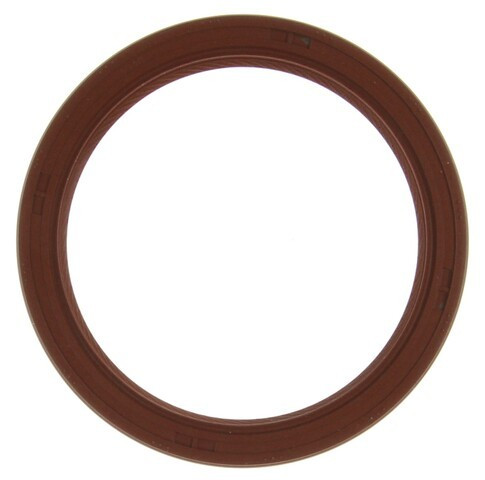
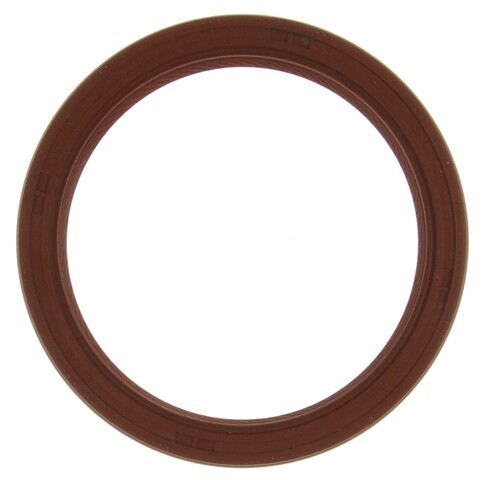
Take on a Honda Civic crankshaft seal replacement the right way with the MAHLE Engine Crankshaft Seal (P/N 67121), a rear crankshaft seal that rides against the rotating crankshaft to keep engine oil sealed at the back of the engine. It fits a wide range of Honda, Acura and Isuzu four-cylinders, including the 1990-1997 Honda Accord [L4-2.2L], 1988-2000 Honda Civic [L4-1.6L], 2001-2005 Honda Civic [L4-1.7L], 1990-2001 Acura Integra [L4-1.8L] and 1996-1997 Isuzu Oasis [L4-2.2L] — see the Buyer's Guide tab for the full list of 31 applications.
Weeping oil or drips gathering at the back of the engine near the transmission can be signs a crankshaft seal may need replacing. If a worn or hardened rear crankshaft seal is the source of the leak, this MAHLE seal replaces it. Quantity per application is 1.
Where does this crankshaft seal go?
P/N 67121 is a rear crankshaft seal. It seals around the crankshaft at the back of the engine and retains engine oil.
Will it fit a 2005 Honda Civic?
Yes. This seal is listed for the 2001-2005 Honda Civic [L4-1.7L]. Confirm your exact engine against the Buyer's Guide tab before ordering.
Does it fit the Honda Accord?
Yes. It is listed for the 1984-2002 Honda Accord across the L4-1.8L, L4-2.0L, L4-2.2L and L4-2.3L engines. Check your year and engine in the Buyer's Guide.
What is this crankshaft oil seal made of?
The seal material is rubber and it is a one-piece style, built to OEM Standard grade. Country of origin is Taiwan.
What are signs my crankshaft seal needs replacing?
Oil seepage or drips collecting at the rear of the engine near the transmission can indicate a worn seal. Diagnose the source first, since other gaskets can leak too.
WARNING: These products can expose you to chemicals including lead and phthalates, which are known to the State of California to cause cancer and birth defects or other reproductive harm. For more information go to www.P65Warnings.ca.gov.
