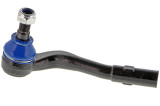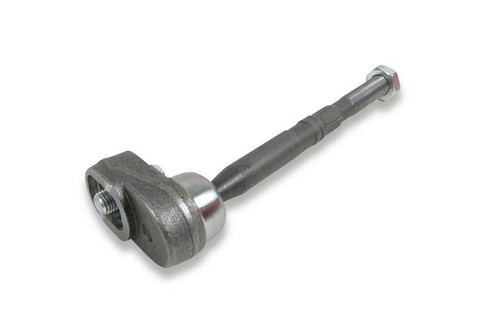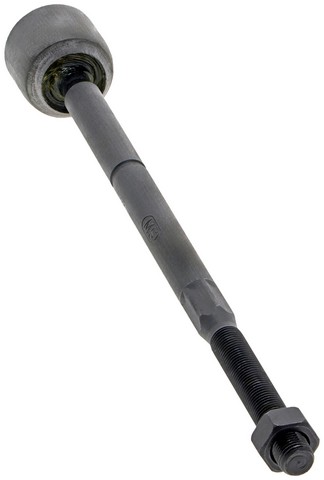
Keep your steering tight and responsive with the Mevotech Supreme Steering Tie Rod End (MEV380), a front inner tie rod end that links the steering linkage to the rest of the assembly and transfers steering input to the wheel. It's a direct-fit replacement for the 1995-1998 Nissan 200SX and the 1995-2006 Nissan Sentra — see the Buyer's Guide tab for engine-level fitment.
- Application-specific engineering: Engineered in-house with upgrades built for high-usage commercial and passenger vehicles, SUVs, fleets and working trucks.
- A stronger bond: Pre-applied Nylok thread adhesive helps keep fasteners secure and vibration resistant.
- Labor Savers added: Additional hardware is included in the box to simplify installation.
- Premium materials & testing: Premium materials are used across the components for longer part life, backed by extensive in-house and third-party durability testing.
A worn tie rod end can show up as loose or wandering steering, uneven tire wear, or a clunk when turning. If a failed front inner tie rod end is the cause of these signs, this Mevotech Supreme unit replaces it. Tie rod ends often wear as a pair — inspect the opposite side and replace both if needed for balanced steering.
Frequently Asked Questions
What vehicles does the MEV380 fit?
It's a direct-fit replacement for the 1995-1998 Nissan 200SX and the 1995-2006 Nissan Sentra. Check the Buyer's Guide tab to confirm the correct application for your vehicle.
What position is this tie rod end?
This is a front inner steering tie rod end. It links the steering linkage and transfers steering input toward the wheel.
Does it include installation hardware?
Yes. Mevotech's Labor Saver design adds hardware in the box to simplify installation, and Nylok thread adhesive is pre-applied to help keep fasteners secure.
What are the signs a tie rod end may need replacing?
Common signs include loose or wandering steering, uneven tire wear, and a clunk when turning. Diagnose the cause before replacing, as other steering parts can produce similar symptoms.
Should I replace both sides at once?
Tie rod ends often wear as a pair, so it's good practice to inspect the opposite side and replace both if needed for balanced, even steering.
Write a Review