
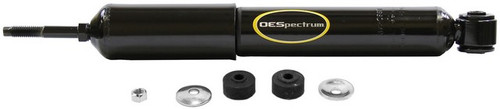
Monroe Shocks & Struts Suspension Shock Absorber P/N:37091
Monroe OESpectrum 37091 Rear Suspension Shock Absorber for Chevrolet G20
$54.99


Smooth out the ride and keep the rear end planted with the Monroe Restore MONROE shock absorber 210079, a rear suspension unit that drops in on the 2010-2013 Kia Soul. Part of Monroe's Restore line for domestic and import passenger cars, light trucks and SUVs, it's designed to deliver consistent performance while helping filter out noise, vibration and harshness.
Nitrogen gas-charged: the gas charge helps maintain tire-to-road contact by reducing aeration and shock fade for more consistent ride and handling.
Banded piston: helps reduce friction between the piston and pressure tube to enhance responsiveness to changing road surfaces for smooth operation.
Designed and validated: engineered and tested for consistent performance you can count on.
Worn shocks often show up as bouncing after bumps, nose dive, or excess body motion; if a tired rear shock is the cause, this replaces it. Shocks work as a pair — replacing both rear units together is recommended for balanced control. Sold individually.
Interchange: DT342892 · 554387 · 553002K100 · 553002K800 · 553002K820 · 553002K950 · 553002K960 · KA104 · 33243 · 5657 · 94384 · NS5657 · 314944 · 12130613 · JOT5362S · 785657
This part cross-references / interchanges with the following part numbers:
Will this MONROE rear shock absorber fit my vehicle?
It's a direct-fit replacement for the 2010-2013 Kia Soul. See the "Vehicles it fits" section to confirm the fit for your specific vehicle.
Is this a front or rear shock absorber?
This is a rear suspension shock absorber for the listed applications.
Should I replace both rear shocks at the same time?
It's recommended. Shocks work as a matched pair, so replacing both rear units together helps keep ride and handling balanced. This listing is for one shock.
What does the nitrogen gas charge do?
The nitrogen gas charge helps maintain tire-to-road contact by reducing aeration and shock fade, supporting more consistent ride and handling.
What are the signs my rear shocks may need replacing?
Common signs include bouncing after bumps, excessive body motion, or nose dive when braking. If a worn rear shock is the cause, this unit replaces it.
No reviews yet — be the first to review this product.
Write a Review

WARNING: These products can expose you to chemicals including lead and phthalates, which are known to the State of California to cause cancer and birth defects or other reproductive harm. For more information go to www.P65Warnings.ca.gov.
