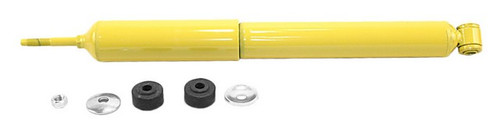
Monroe Shocks & Struts Suspension Shock Absorber P/N:34778
Monroe Gas-Magnum 34778 Front Suspension Shock Absorber for Dodge Ram 2500
$63.99



Keep a hardworking truck planted and controlled with the Monroe Gas-Magnum Rear Shock Absorber 34920. This gas-charged rear shock is engineered for full-size trucks and vans, and it installs as a direct-fit rear replacement for many vehicles, among them the 1989-1991 Chevrolet V3500, 1987-1991 GMC V3500 and 1987-1988 Chevrolet V30. See the "Vehicles it fits" section for the full fitment list.
Backed by Monroe's Limited Lifetime Warranty and Feel the Difference Guarantee.
Interchange: 3187845 · AT43 · AT46 · ATG43 · HD115 · 342529 · 58412 · 344386 · 76920 · 12140425
This part cross-references / interchanges with the following part numbers:
What does this shock absorber do?
It's a rear gas-charged hydraulic shock that dampens spring motion to help control ride and handling. Its nitrogen gas-charge reduces aeration and shock fade to help maintain tire-to-road contact.
Which vehicles does the Monroe 34920 fit?
It's a rear-position fit for many vehicles, among them the 1989-1991 Chevrolet V3500, 1987-1991 GMC V3500 and 1987-1988 Chevrolet V30. See the "Vehicles it fits" section for the full list.
What are signs my rear shocks may need replacing?
Excessive bouncing after bumps, body sway, uneven or cupped tire wear, and fluid leakage may indicate worn shocks. Diagnose the cause before replacing.
Should I replace both rear shocks at once?
Replacing shocks in axle pairs is recommended for balanced, even ride control. This listing is for one shock.
How is the Gas-Magnum different from a standard shock?
It uses a larger bore and a 2-in. reserve tube to hold more oil than standard 1-in. bore shocks, plus full-displaced compression valving designed for firm control on trucks and vans.
No reviews yet — be the first to review this product.
Write a Review



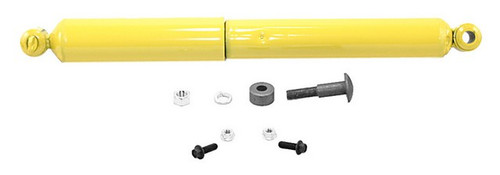
WARNING: These products can expose you to chemicals including lead and phthalates, which are known to the State of California to cause cancer and birth defects or other reproductive harm. For more information go to www.P65Warnings.ca.gov.
