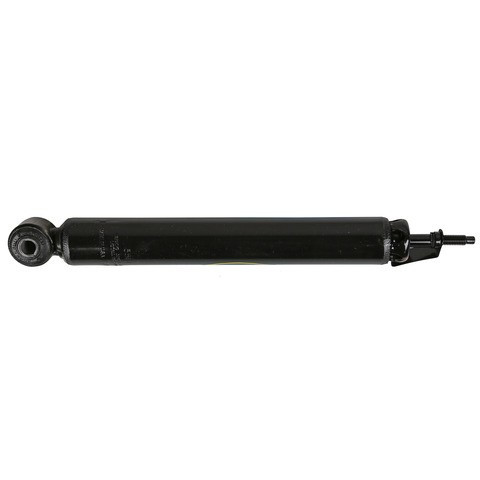
Restore steady, controlled rides with the Monroe OESpectrum Rear Suspension Shock Absorber (MPN 5868). This rear-position shock is a direct-fit replacement for the 1975 Volvo 164, 1990-1993 Volvo 240, 1975-1984 Volvo 242, 1975-1989 Volvo 244, 1975-1989 Volvo 245, 1976 and 1978-1981 Volvo 262, 1976-1982 Volvo 264, 1976-1981 Volvo 265, and 1984 Volvo DL and GLE — see the Buyer's Guide tab for the full list. It is designed to help restore a vehicle's original factory drivability while filtering out noise, vibration and harshness.
- Twin Technology Active Control System: delivers control under most driving conditions while isolating impact-related noise, vibration and harshness.
- Full displaced valving: tuned to each vehicle and paired with a larger bore for more efficient, consistent damping and a smooth ride.
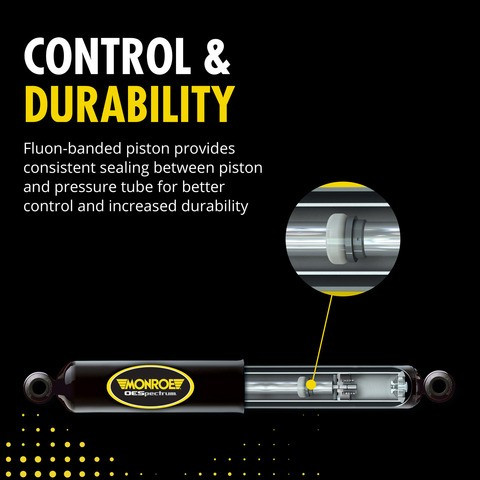
- PTFE-banded piston: provides consistent sealing between the piston and pressure tube for better control and added durability.
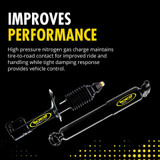
- Nitrogen gas-charge: helps maintain tire-to-road contact by reducing aeration and shock fade, while an OE all-weather fluid and self-lubricating fluid seal help resist wear.
Backed by Monroe's Limited Lifetime Warranty and Feel the Difference Guarantee.
Interchange: TS3230422B · 342474 · 69787 · 343010 · KG5553 · 210128 · 12120091 · 12066410 · 12721260 · 12721920
This part cross-references / interchanges with the following part numbers:
Frequently Asked Questions
What position does this shock absorber fit?
It is a rear suspension shock absorber for the listed Volvo applications. Order the correct quantity for a complete rear replacement.
Which vehicles does the Monroe 5868 fit?
It fits the 1975 Volvo 164, 1990-1993 Volvo 240, 1975-1984 Volvo 242, 1975-1989 Volvo 244 and 245, 1976/1978-1981 Volvo 262, 1976-1982 Volvo 264, 1976-1981 Volvo 265, and 1984 Volvo DL and GLE.
What does the PTFE-banded piston do?
It provides consistent sealing between the piston and pressure tube, which helps deliver better damping control and increased durability.
Are the shocks nitrogen gas-charged?
Yes. The nitrogen gas-charge helps maintain tire-to-road contact by reducing aeration and shock fade for a more consistent ride and handling.
What signs suggest my rear shocks may need replacing?
Excessive bouncing, a rough or unsettled ride, or uneven tire wear can indicate worn shocks. Have the suspension inspected to confirm the cause before replacing.
Write a Review