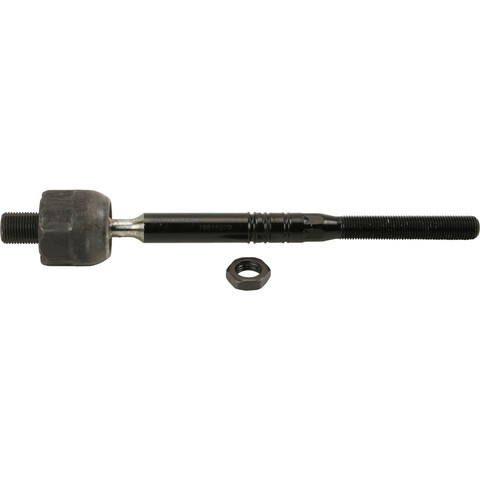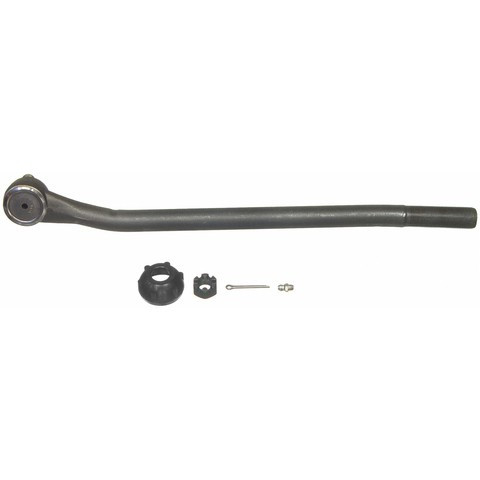
MOOG Chassis Products Steering Tie Rod End P/N:DS794

Be the first to review this product
$86.99
MPN: DS794
Item Package Code: EA
Part Has Core (Y/N): N
Item Package Quantity: 1
Adding to cart… The item has been added

Have questions?

MOOG Chassis Products Steering Tie Rod End P/N:DS794
$86.99

Firm up a loose, wandering front end with the MOOG Chassis DS794 outer tie rod end — a common wear point behind a sloppy Ford F-250 tie rod end feel and uneven front-tire wear. This is the front left outer steering tie rod end, and it installs as a direct-fit replacement on 1971-1979 Ford F-250 and 1971-1979 Ford F-350 pickups; see the Buyer's Guide tab for engine coverage.

The tie rod end connects the steering linkage to the steering knuckle, transmitting your steering input to the wheel — worn play here shows up as loose or wandering steering, a clunk, and irregular tire wear.

  • Greaseable socket: lets fresh grease flush out contaminants to reduce corrosion and wear.
  • Patented pressed-in cover plate: seals out debris and minimizes looseness to reduce bearing wear.
  • Belleville preload washer: helps keep the bearing package tight as the bearings wear in.
  • Problem Solver Gusher Bearing: a metal-to-metal design that lets grease flow through the bearing surface for reduced friction.
  • Heat-treated ball stud: treated to match or exceed OE requirements to improve fatigue strength.

If a worn front left outer tie rod end is behind your steering play, this MOOG Chassis tie rod end replaces it. Replace it in pairs and have the alignment checked afterward.

Frequently Asked Questions

Which vehicles does the MOOG DS794 fit?

It is a direct-fit replacement for 1971-1979 Ford F-250 and 1971-1979 Ford F-350 pickups. See the Buyer's Guide tab to confirm engine coverage for your truck.

What position is this tie rod end?

The DS794 is the front left (driver-side) outer steering tie rod end. Check your original layout to confirm you need the left outer position before ordering.

Is this a greaseable tie rod end?

Yes. It uses a greaseable socket so fresh lubricant can flush out contaminants, which helps reduce corrosion and wear over time.

What are the signs of a worn tie rod end?

Loose or wandering steering, a clunk from the front, play in the wheel, and uneven front-tire wear may signal a worn tie rod end. Have the cause diagnosed before replacing.

Should I replace both tie rod ends and get an alignment?

Replacing worn tie rod ends in pairs is good practice for balanced steering, and a wheel alignment should be performed after installing this part.