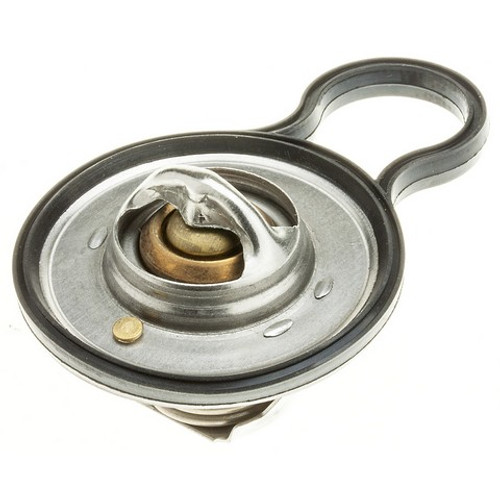
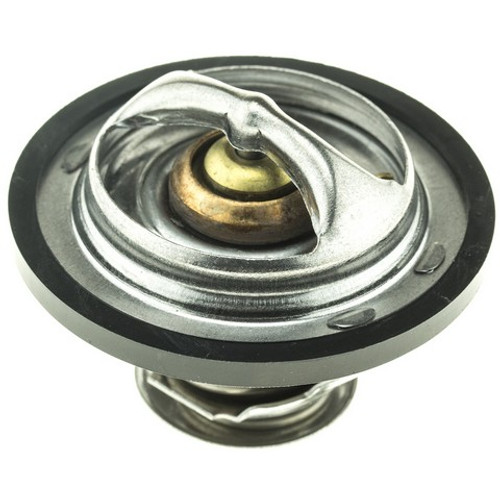
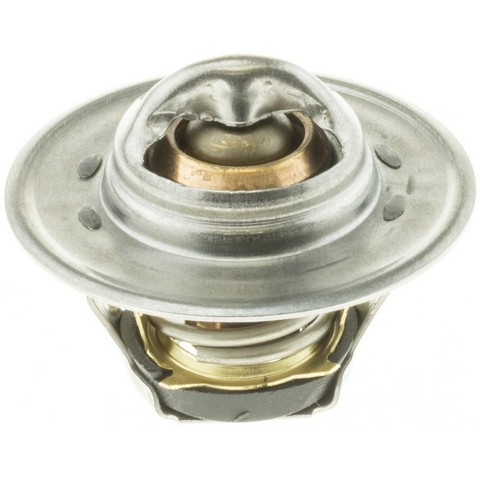
Motorad Engine Coolant Thermostat P/N:449-180
Regulate coolant flow and hold your engine at its designed operating temperature with the Motorad engine coolant thermostat 449-190. Built as an original-equipment-design direct-fit replacement, it stays closed until the coolant reaches its 190° set point, then opens to route coolant to the radiator so the engine warms up quickly and runs at the intended temperature. It fits a broad range of Chrysler and Dodge cars, including the Chrysler 300 (2005-2010), Dodge Charger (2006-2010), Chrysler Sebring 2.7 (2001-2010), Dodge Intrepid 2.7 (1998-2004) and Dodge Stratus 2.7 (2001-2006) — see the Buyer's Guide tab for the full list.
Interchange: 1601-99991 · 378-190
160199991 · 378190 · 12T101E · 44990 · 4663729AE · 4792237AB · 5159157AA · 68023515AA · 68237102AA · P44990 · 14349
This part cross-references / interchanges with the following part numbers:
What temperature does the Motorad 449-190 thermostat open at?
It is a 190° thermostat — it stays closed until the coolant reaches roughly that temperature, then opens to allow coolant to circulate to the radiator.
Does the 449-190 include a seal?
Yes. It ships with an OEM-style seal (the description lists it as "w/ Seal"), so you have the gasket needed to seat it in the housing.
Will this thermostat fit my Dodge Charger?
Yes, it is listed as a direct-fit replacement for the 2006-2010 Dodge Charger. Check the Buyer's Guide tab to confirm your exact year and engine.
What is the 449-190 made of?
It uses high-grade stainless steel and copper construction with a copper case and wax compound, and is 100% tested and calibrated before it ships.
What are signs the thermostat may need replacing?
An engine that overheats, is slow to warm up, or a temperature gauge that swings can be signs a stuck thermostat may need replacing. Diagnose the cause before replacing.
WARNING: These products can expose you to chemicals including lead and phthalates, which are known to the State of California to cause cancer and birth defects or other reproductive harm. For more information go to www.P65Warnings.ca.gov.