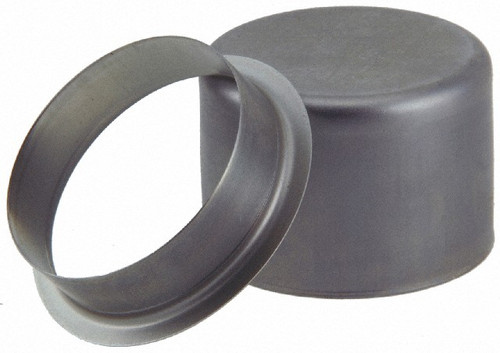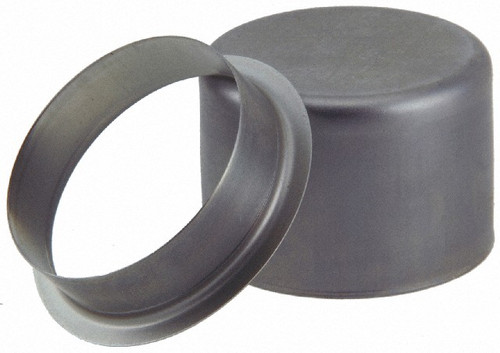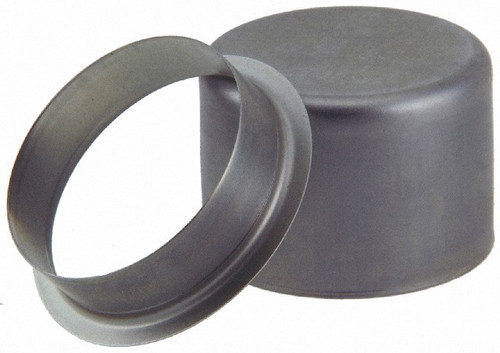
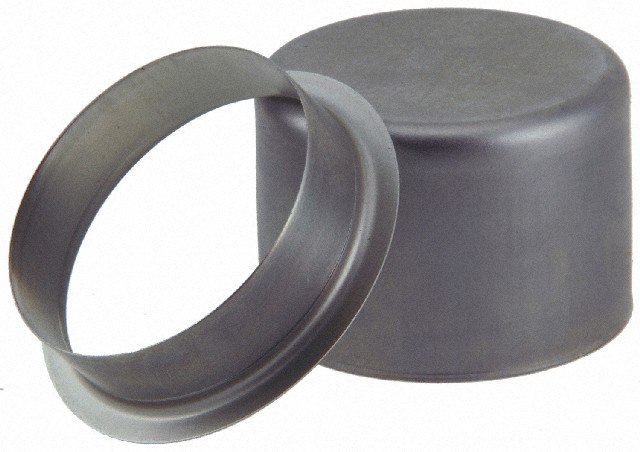
National Engine Camshaft Repair Sleeve,Engine Crankshaft Repair Sleeve P/N:99181
National 99176 front crankshaft repair sleeve for the 1999-2003 Chevrolet Silverado 1500 4.3L and other vehicles covers a worn spot on the crankshaft's sealing surface and gives the seal a smooth face to ride on.
A groove worn into the shaft where the seal runs can let oil seep out at the front of the engine, and that wear is what this sleeve is meant to cover. Oil at the front can also come from a worn seal, so these signs alone do not prove the sleeve is the problem.
The 1999-2003 Chevrolet Silverado 1500 4.3L takes one. The part is listed for a wide range of Chevrolet, GMC, Buick and Pontiac models, and the 1999-2003 GMC Sierra 1500 4.3L is another. Each is listed by its engine code.
Interchange: N99176 · NN99176 · KWK99176 · 66597RS · 99176RS
This part cross-references / interchanges with the following part numbers:
Does the National 99176 crankshaft repair sleeve fit a 1999-2003 Chevrolet Silverado 1500 4.3L?
Yes. National 99176 is listed for the 1999-2003 Chevrolet Silverado 1500 4.3L and the 1999-2003 GMC Sierra 1500 4.3L, plus many other vehicles. Look up your own car on the Buyer's Guide tab.
Is this a front or rear crankshaft repair sleeve?
This is a front crankshaft repair sleeve, so it belongs at the front of the engine.
Does National 99176 replace N99176 or 66597RS?
Yes. N99176 and 66597RS are both interchange numbers for National 99176, along with NN99176, KWK99176 and 99176RS.
How can I tell the crankshaft seal surface is worn?
A groove worn into the shaft where the seal rides, or oil at the front of the engine, can mean the seal surface is worn. A shop can inspect the shaft and tell you whether a sleeve is needed.
How is an engine crankshaft repair sleeve different from the crankshaft seal?
The sleeve covers a worn sealing surface on the shaft, while the seal is a separate part that rides on that surface. National 99176 is the sleeve.
WARNING: These products can expose you to chemicals including lead and phthalates, which are known to the State of California to cause cancer and birth defects or other reproductive harm. For more information go to www.P65Warnings.ca.gov.