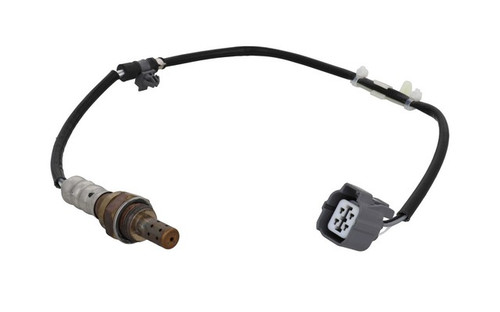


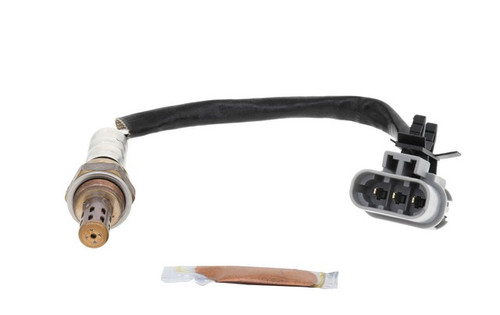


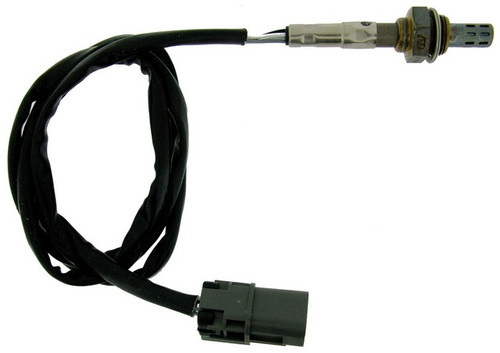
NTK 24519 O2 sensor for the 1996-1999 Nissan Altima 4-cylinder 2.4L and other vehicles measures oxygen in the exhaust. This NTK O2 sensor, also called an oxygen sensor, feeds the ECU closed-loop data that helps control the air-fuel ratio.
A check engine light, rough idle or poor fuel economy can mean the sensor is worn, though other faults can produce them too. Before replacing it, look over the wiring and connector for damage or melted insulation with the engine off and cool; a shop can test the signal itself.
This O2 sensor is a direct-fit replacement for the 1996-1999 Nissan Altima 4-cylinder 2.4L, the 1999-2000 Nissan Quest V6 3.3L and the 1999-2000 Mercury Villager V6 3.3L. The 1996-1999 Nissan Altima 4-cylinder 2.4L takes one, and so do the other two; this listing is a single sensor. Owners of other cars can look up their year and engine in the "Vehicles it fits" section.
Fit and size
Build and materials
Product information is for general reference and may contain errors. See our Disclaimer.
Does the NTK 24519 fit the 1999-2000 Nissan Quest V6 3.3L?
Yes. NTK 24519 is listed for the 1999-2000 Nissan Quest V6 3.3L, which takes one sensor.
What thread and hex size does this O2 sensor have?
The NTK 24519 has an M18 - 1.5 thread and a 7/8" (22 mm) hex.
Does this O2 sensor come with a connector and harness hardware?
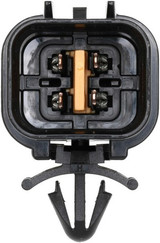
Yes. This O2 sensor comes with water-resistant connectors and harness accessory hardware for installation.
Which signs can mean an O2 sensor needs attention?
A check engine light, rough idle or poorer fuel economy can be linked to a worn sensor, though other faults can produce them too. A shop can test the signal with the engine running.
What does the overcoat on the NTK 24519 sensing element do?
The NTK 24519 has a 3-stage contaminant-resistant plasma jet and deposit trap overcoat that protects its ceramic element against poisoning.
Published by the manufacturer of this part. Links open in a new tab.
No reviews yet — be the first to review this product.
Write a Review
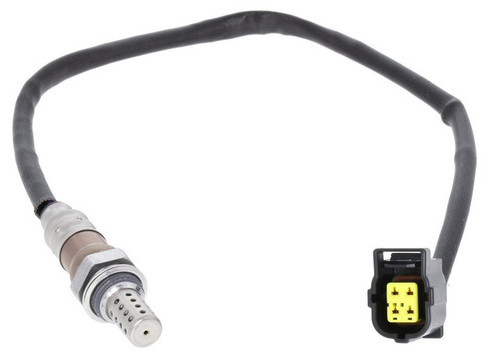
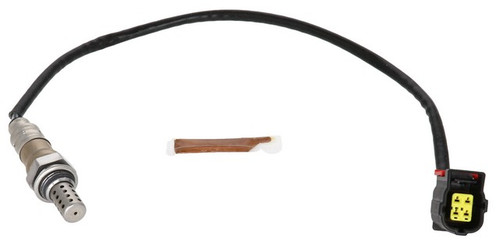


WARNING: These products can expose you to chemicals including lead and phthalates, which are known to the State of California to cause cancer and birth defects or other reproductive harm. For more information go to www.P65Warnings.ca.gov.
