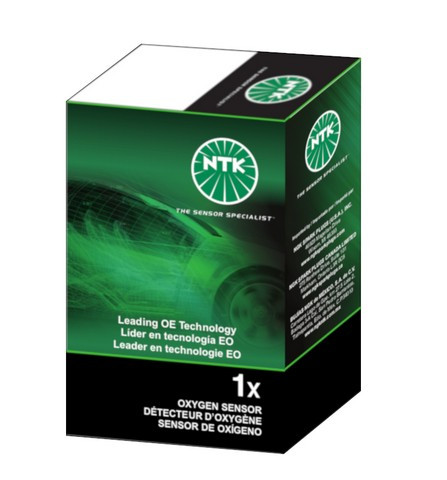

NTK Oxygen Sensor P/N:25155
NTK Oxygen Sensor P/N:25155. Fits: Hyundai Santa Fe, Hyundai Sonata, Hyundai Xg300, Kia Magentis, Kia Optima.
$68.99


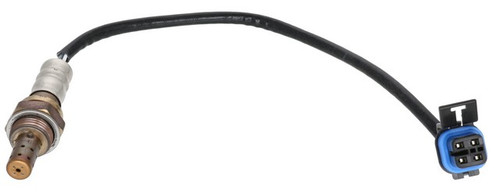
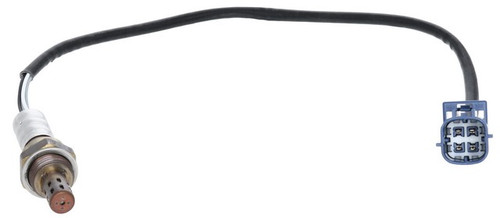
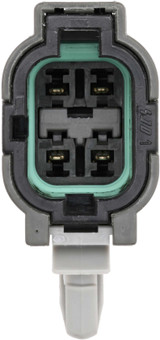
NTK 24473 oxygen sensor for the 2013-2017 Honda Accord 4-cylinder 2.4L and other vehicles reads exhaust oxygen for the engine computer. This downstream sensor sends the ECU constant closed-loop feedback to help control the air-fuel ratio and to flag possible fuel delivery or catalytic converter problems.
A failing oxygen sensor can show up as a check engine light, rough running or poorer fuel economy. A vacuum leak, an exhaust leak, a fuel delivery fault or a tired catalytic converter can be behind the same signs, so find the cause before you buy a sensor.
This direct-fit replacement suits the 2013-2017 Honda Accord 4-cylinder 2.4L and the 2015-2020 Acura TLX 4-cylinder 2.4L. The listing is one downstream sensor, and the quantity per car is one.
Fit and size
Build and materials
Interchange: 234-4574 · 234-4786
18050 · 365325A2A01
This part cross-references / interchanges with the following part numbers:
Is this the right oxygen sensor for the 2013-2017 Honda Accord 4-cylinder 2.4L?
Yes. NTK 24473 is listed for the 2013-2017 Honda Accord 4-cylinder 2.4L and also for the 2015-2020 Acura TLX 4-cylinder 2.4L. The quantity is one per car.
Is this NTK O2 sensor a downstream or an upstream unit?
This NTK 24473 is a downstream sensor, listed at a quantity of one per car.
Is this NTK oxygen sensor heated, and what type is it?
Yes. It is a heated, narrow-band switching zirconia sensor with a 7/8 in (22 mm) hex and an M18 - 1.5 thread.
Can a failing downstream oxygen sensor trigger a check engine light?
It can, because the sensor reports to the ECU and the OBDII system watches that signal. Other faults can cause the same light, so have the codes read first.
How do NTK sensors like this one resist contamination?
The ceramic element has a 3-stage contaminant-resistant plasma jet and deposit trap overcoat that protects against element poisoning.
No reviews yet — be the first to review this product.
Write a Review


WARNING: These products can expose you to chemicals including lead and phthalates, which are known to the State of California to cause cancer and birth defects or other reproductive harm. For more information go to www.P65Warnings.ca.gov.
