


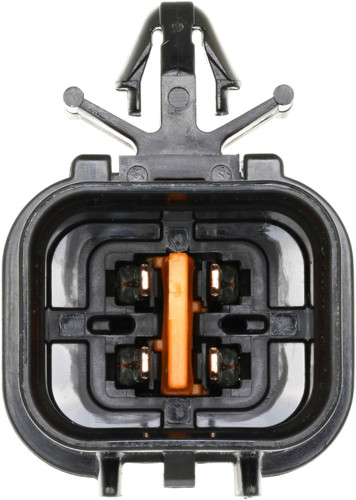

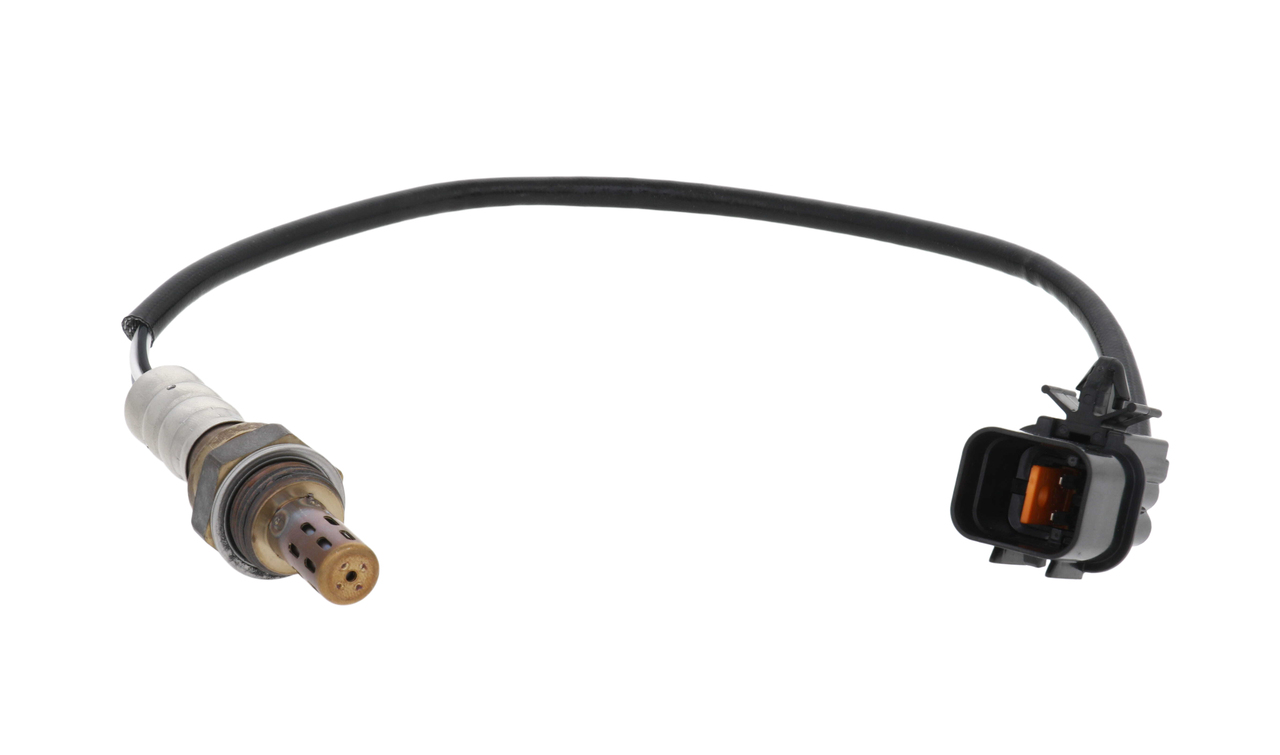
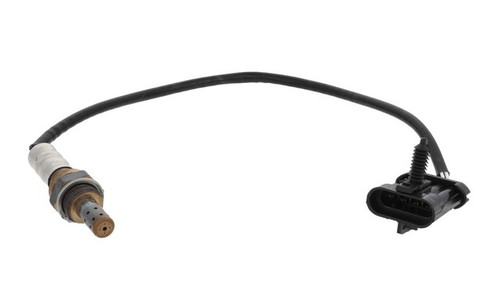
NGK O2 SENSORS 25709 ntk for the 2009-2011 Chevrolet Aveo 4-cylinder 1.6L and other vehicles senses oxygen in the exhaust and feeds that reading to the ECU. That closed-loop feedback helps the ECU control the air-fuel ratio and helps the OBDII system flag fuel delivery or catalytic converter efficiency problems.
A check engine light, rough running or a drop in fuel economy can mean an oxygen sensor is worn. Before you replace it, rule out exhaust leaks, damaged wiring or connectors and fuel-delivery faults that can also set an oxygen sensor code.
The 2009-2011 Chevrolet Aveo 4-cylinder 1.6L, the 2009-2011 Chevrolet Aveo5 4-cylinder 1.6L and the 2009-2010 Pontiac G3 4-cylinder 1.6L take this sensor, and so do other vehicles. If your car is not named here, find it in the "Vehicles it fits" section.
Fit and size
Build and materials
One oxygen sensor. This listing holds one sensor, and the 2009-2011 Chevrolet Aveo 4-cylinder 1.6L takes one.
Does NGK O2 SENSORS 25709 ntk fit the 2009-2010 Pontiac G3 4-cylinder 1.6L?
Yes. NGK O2 SENSORS 25709 ntk fits the 2009-2010 Pontiac G3 4-cylinder 1.6L. For any other car, find it in the "Vehicles it fits" section.
What hex size and thread does this oxygen sensor have?
NGK O2 SENSORS 25709 ntk has a 7/8" (22mm) hex and an M18 - 1.5 thread.
Is this a heated oxygen sensor?
Yes. This oxygen sensor is heated and uses switching zirconia technology.
What can a worn oxygen sensor look like?
A check engine light, rough running or poorer fuel economy can go with a worn oxygen sensor. A shop can read the codes and test the sensor.
Does this oxygen sensor come with a connector?
Yes. It comes with OE specified, water-resistant connectors and harness accessory hardware, made for easy installation.
Published by the manufacturer of this part. Links open in a new tab.
No reviews yet — be the first to review this product.
Write a Review
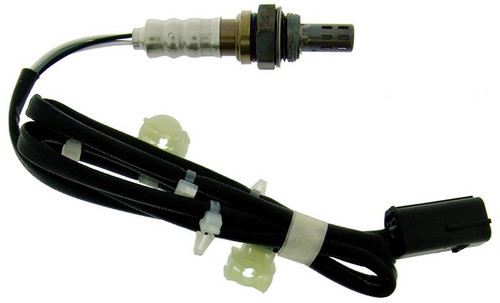

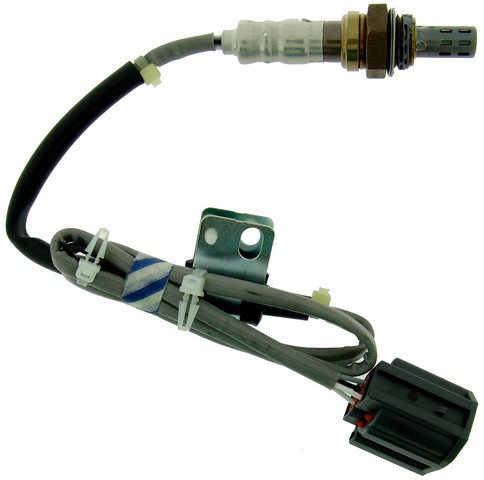

WARNING: These products can expose you to chemicals including lead and phthalates, which are known to the State of California to cause cancer and birth defects or other reproductive harm. For more information go to www.P65Warnings.ca.gov.
