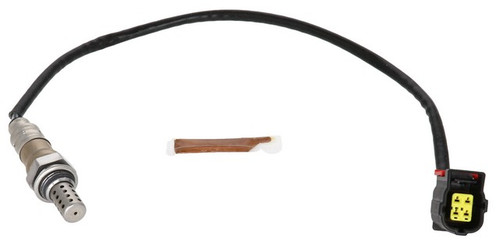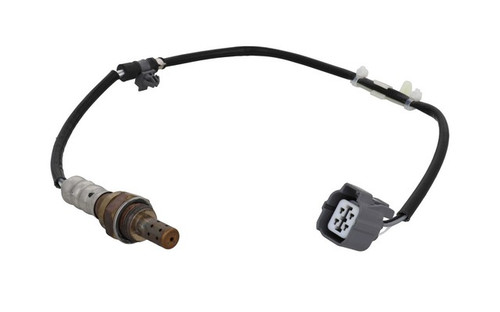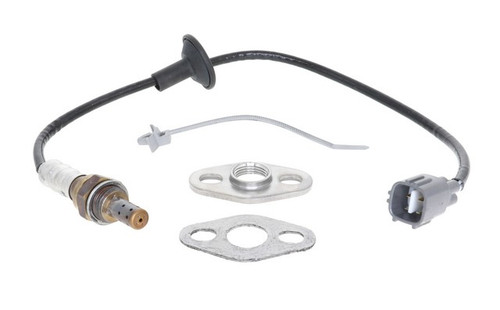
NTK Oxygen Sensor-Direct Fit P/N:24567
NTK 21006 O2 sensor for the 1996-1998 Chevrolet C1500 V6 4.3L, the 1996-1999 C1500 V8 5.0L or 5.7L and other vehicles measures oxygen in the exhaust and feeds that reading back to the ECU. This NTK O2 sensor helps control the air-fuel ratio and alerts the OBDII system to possible fuel delivery or catalytic converter problems.
A check engine light, rough running or poorer fuel economy can mean the sensor is worn, but the trouble may also sit with a misfiring ignition coil or a clogged fuel injector, so find the cause before replacing the sensor.
Fit covers the 1996-1998 Chevrolet K1500 V6 4.3L, the 1996-1999 K1500 V8 5.0L or 5.7L and the 1996-2000 Chevrolet Tahoe V8 5.7L, plus many other vehicles. Open the "Vehicles it fits" section to check your exact model and engine. Quality meets or exceeds OEM specifications.
Fit and size
Build and materials
One O2 sensor; each application calls for a single sensor.
Will the NTK 21006 fit a 1996-2000 Chevrolet Tahoe V8 5.7L?
Yes, NTK 21006 fits the 1996-2000 Chevrolet Tahoe V8 5.7L, and it fits many other vehicles. Use the "Vehicles it fits" section to look up another model and engine.
What hex size and thread does this NTK 21006 sensor have?
NTK 21006 has a 7/8 in (22 mm) hex and an M18 - 1.5 thread.
Is this NTK 21006 oxygen sensor heated?
Yes. NTK 21006 is a heated sensor that uses switching zirconia technology.
What testing does this NTK sensor go through?
Development includes vibration and thermal shock testing, and the sensor is tested again during manufacturing.
What comes with the NTK 21006 O2 sensor?
One sensor, with water-resistant connectors and harness accessory hardware for installation. Each application calls for a single sensor.
Published by the manufacturer of this part. Links open in a new tab.
No reviews yet — be the first to review this product.
Write a Review
WARNING: These products can expose you to chemicals including lead and phthalates, which are known to the State of California to cause cancer and birth defects or other reproductive harm. For more information go to www.P65Warnings.ca.gov.