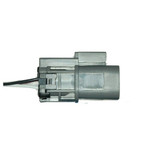
Delphi Oxygen Sensor P/N:ES20045
Delphi ES20364 rear oxygen sensor for the 2010-2015 Volvo XC60 6-cylinder 3.2L, the 2010-2016 XC60 6-cylinder 3.0L and other vehicles measures the oxygen in the exhaust and reports it to the engine computer. Every Delphi oxygen sensor is built to Delphi's OE standards.
A worn oxygen sensor can show up as a check engine light, changes in fuel economy or a rough idle. An exhaust leak, a misfire or a fuel delivery problem may be behind these signs too, so find the cause before you buy a sensor.
It is a Volvo XC60 oxygen sensor replacement for the 2010-2015 model with the 6-cylinder 3.2L and the 2010-2016 model with the 6-cylinder 3.0L. Other fits include the 2011-2016 Volvo S60 6-cylinder 3.0L and the 2015-2016 Volvo V60 6-cylinder 3.0L.
Fit and size
Build and materials
One oxygen sensor and one instruction sheet. This listing is one sensor; the number a car takes is one or two, depending on the application.
Does this Volvo XC60 oxygen sensor fit a 2010-2016 XC60 with the 6-cylinder 3.0L?
Yes, Delphi ES20364 fits the 2010-2016 Volvo XC60 6-cylinder 3.0L. Driving something else? Pick your year, model and engine in the "Vehicles it fits" section to see if it is covered.
Will this Volvo S60 oxygen sensor work on a 2011-2016 S60 with the 6-cylinder 3.0L?
Yes. Delphi ES20364 fits the 2011-2016 Volvo S60 6-cylinder 3.0L, and it also fits the 2015-2016 Volvo V60 6-cylinder 3.0L.
Does the Delphi ES20364 come with an instruction sheet?
Yes. The box holds one oxygen sensor and one instruction sheet.
Are Delphi O2 sensors like this one validated for E85 fuel?
Yes. This oxygen sensor is validated for all fuel types, including ethanol blends like E85.
Can a worn rear oxygen sensor turn on the check engine light?
Yes, it can. A worn rear oxygen sensor can set the check engine light, and it can also come with a change in fuel economy or a rough idle.
No reviews yet — be the first to review this product.
Write a ReviewWARNING: These products can expose you to chemicals including lead and phthalates, which are known to the State of California to cause cancer and birth defects or other reproductive harm. For more information go to www.P65Warnings.ca.gov.