Sold out


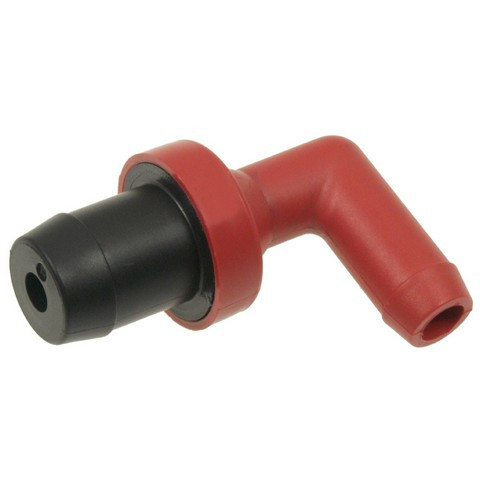
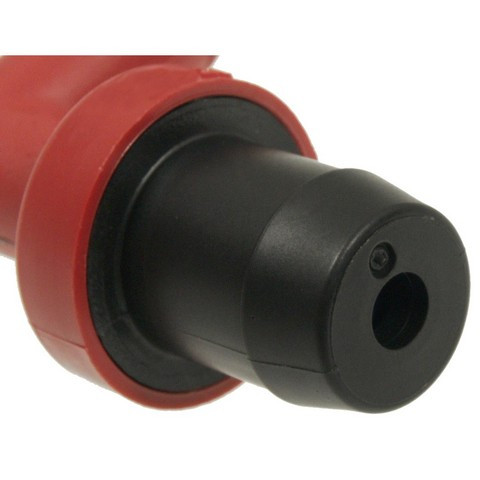


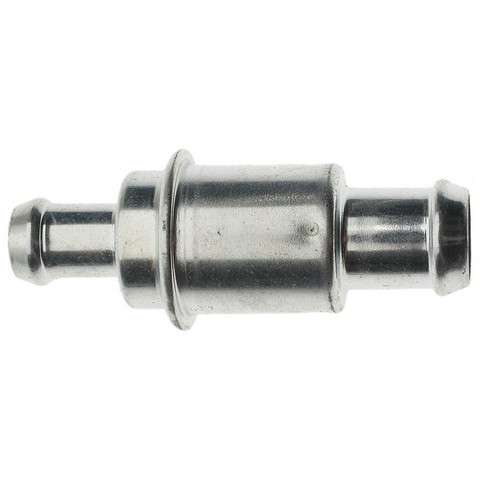
Help manage crankcase pressure and route blow-by gases where they belong with the Standard Ignition PCV Valve V488 — a direct-fit 1998-2003 Toyota Camry 3.0L pcv valve that also drops into the 1997-2002 Toyota Avalon 3.0L. It installs as a replacement for the 1998-2003 Toyota Camry V6-3.0L and the 1997-2002 Toyota Avalon V6-3.0L, both taking one valve per engine.
A PCV valve is the metered path that draws crankcase blow-by vapors out of the engine and back into the intake to be reburned, while its check action helps limit reverse flow. When it sticks or clogs, you can see rough idle, oil leaks from over-pressurized seals, or a whistling vacuum noise — signs the valve may need replacing.
If a stuck or clogged PCV valve is the cause of your symptoms, this replaces it. Always diagnose the underlying cause before ordering, since these signs can have other sources.
Will this fit my 1998-2003 Toyota Camry 3.0L?
Yes. The V488 is listed for the 1998-2003 Toyota Camry with the V6-3.0L engine. Confirm your engine before ordering.
Does the V488 also fit the 1997-2002 Toyota Avalon 3.0L?
Yes. It is listed as a direct-fit replacement for the 1997-2002 Toyota Avalon with the V6-3.0L engine.
What does a PCV valve do?
It provides a metered path that draws crankcase blow-by vapors back to the intake to be reburned, and its check action helps limit reverse flow.
What are the signs of a bad PCV valve?
Common signs include rough idle, oil leaks from over-pressurized seals, or a whistling vacuum noise. Diagnose the cause before replacing, as these can have other sources.
How many PCV valves do I need for a pcv valve replacement?
The listed V6-3.0L applications use one valve per engine, so a single V488 covers the replacement.

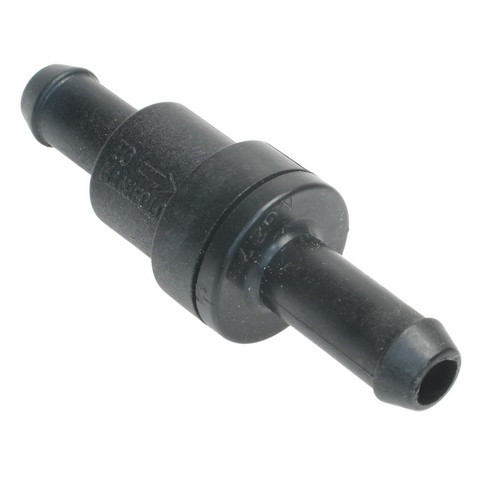

WARNING: These products can expose you to chemicals including lead and phthalates, which are known to the State of California to cause cancer and birth defects or other reproductive harm. For more information go to www.P65Warnings.ca.gov.
