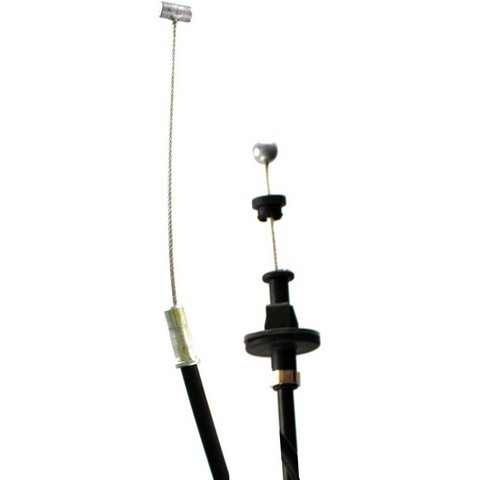
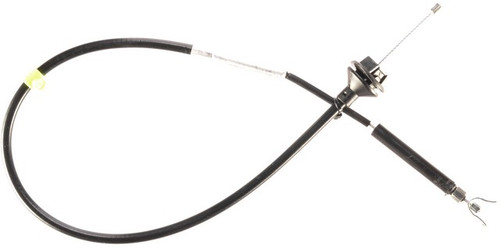
Pioneer Automotive Industries Carburetor Accelerator Cable P/N:CA-8440
Renew the link between the gas pedal and the carburetor with the Pioneer Automotive Industries Carburetor Accelerator Cable, part number CA-8611. It is a replacement for the 1980-1981 and 1986-1987 Nissan 200SX. It connects the accelerator pedal to the carburetor's throttle linkage so that pedal movement opens and closes the throttle.
Over time an accelerator cable can fray, kink, stretch or bind inside its housing. Signs that this part may need replacing include a pedal that feels stiff or sticky, a throttle that is slow to return, or visible fraying or damage to the cable. If a worn or binding cable is the cause, the CA-8611 replaces it. Inspect the throttle linkage and return springs at the same time, and diagnose the cause before replacing parts.
Fitment: 1980-1981 Nissan 200SX; 1986-1987 Nissan 200SX. See the "Vehicles it fits" section for engine details.
What does the Pioneer CA-8611 accelerator cable do?
It connects the accelerator pedal to the carburetor's throttle linkage, so pressing or releasing the pedal opens or closes the throttle.
Which vehicles does the CA-8611 fit?
It is listed for the 1980-1981 and 1986-1987 Nissan 200SX. See the "Vehicles it fits" section for engine details on each application.
What is the CA-8611 cable made of?
It has a durable steel inner cable inside a polymer outer housing. The housing protects the cable from corrosion and abrasion.
Does it come with brackets or grommets?
Pioneer says its cables often include common brackets, grommets and ends where the application calls for them. Compare the part with your original cable before installation.
What are signs of a failing accelerator cable?
A stiff or sticking pedal, a throttle that is slow to return, or a frayed or kinked cable can mean the cable needs replacing. Diagnose the cause before replacing parts.
No reviews yet — be the first to review this product.
Write a Review
WARNING: These products can expose you to chemicals including lead and phthalates, which are known to the State of California to cause cancer and birth defects or other reproductive harm. For more information go to www.P65Warnings.ca.gov.