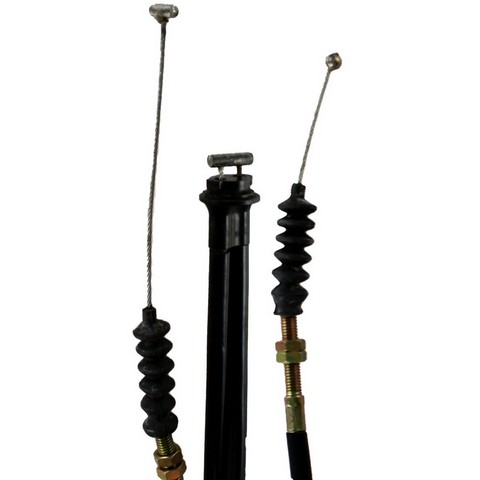
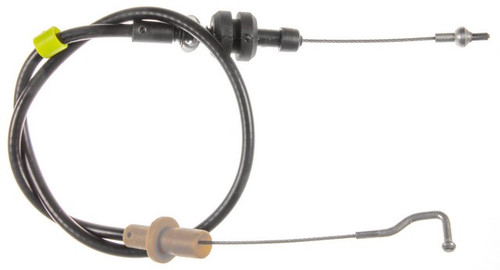
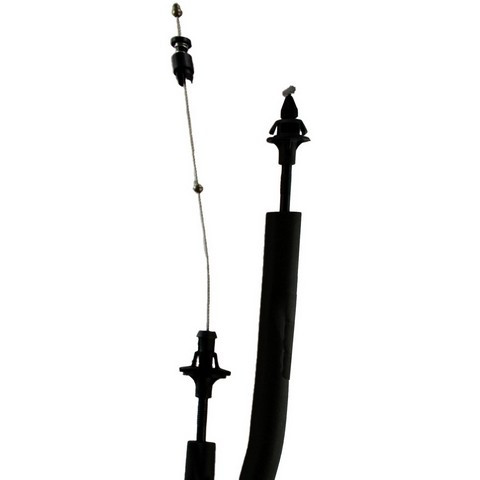
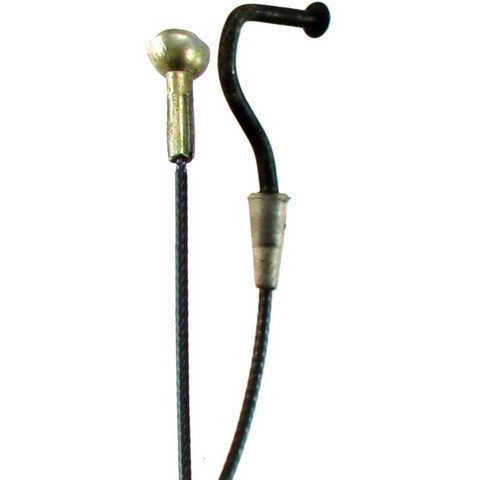
Link your accelerator pedal to the carburetor throttle with the Pioneer Carburetor Accelerator Cable CA-8813, a replacement accelerator cable for the 1980-1982 Honda Accord. Pressing the pedal pulls the cable and opens the throttle through the carburetor linkage, and letting off allows the throttle to close.
Pioneer offers its cables as a high-quality replacement alternative, made to OE specs:
- Steel inner cable: A durable steel core carries the pull from the pedal to the carburetor.
- Polymer outer housing: Wraps the inner cable to help shield it from corrosion and abrasion.
- OE specs: Manufactured to original-equipment specifications as a replacement alternative.
Signs that an accelerator cable may need replacing include a pedal that feels stiff or binds, a throttle that is slow to return to idle, a frayed or kinked cable, and slack that delays throttle response. Diagnose the cause before replacing, because carburetor linkage or return-spring problems can produce similar symptoms.
Fitment: 1980-1982 Honda Accord. See the Buyer's Guide tab for complete application details.
Interchange: 61811 · 950378 · CE226 · 17910689682 · CB186
This part cross-references / interchanges with the following part numbers:
61811, 950378, CE226, 17910689682, CB186