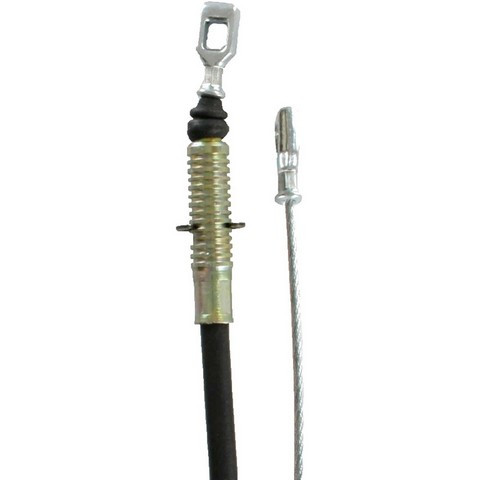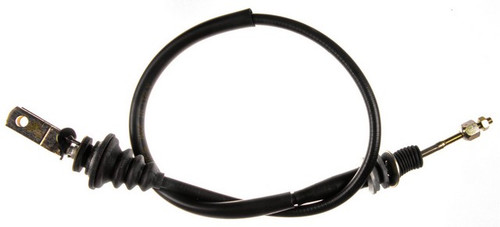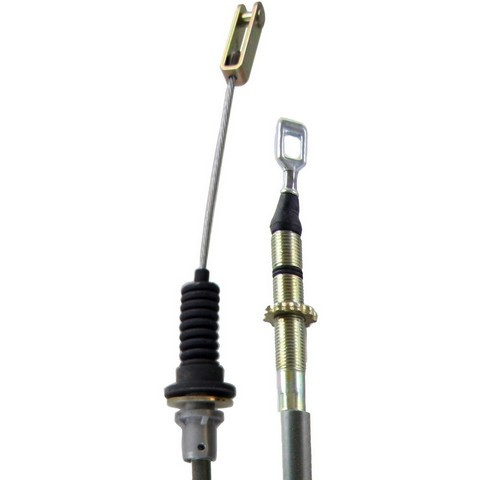
Pioneer Automotive Industries Clutch Cable P/N:CA-171
Pioneer Automotive Industries CA-206 clutch cable for the 1981-1983 Dodge Challenger and other vehicles links the clutch pedal to the clutch release mechanism through a steel inner cable inside a polymer outer housing.
A clutch pedal that feels stiff, sticks down or leaves shifting hard can mean the cable is wearing out. With the engine off, look the cable and its housing over for fraying, kinks or rust before ordering, since other clutch parts can also change how the pedal feels.
It fits the 1981-1983 Dodge Challenger and the 1981-1983 Plymouth Sapporo.
This listing holds one clutch cable, which is the quantity both cars need.
Interchange: 62209 · CA52002 · 930519 · CE250 · MB012117 · 14865 · TC1078 · CB509 · 5375060
This part cross-references / interchanges with the following part numbers:
Does the Pioneer CA-206 clutch cable fit the 1981-1983 Plymouth Sapporo?
Yes. Pioneer Automotive Industries CA-206 fits the 1981-1983 Plymouth Sapporo and the 1981-1983 Dodge Challenger, and each of them takes one cable.
What is the CA-206 clutch cable made of?
It has a steel inner cable and a polymer outer housing. The housing protects the cable from corrosion and abrasions.
Does the CA-206 clutch cable come with brackets and grommets?
Pioneer clutch cables often include common brackets, grommets and ends where applicable. This listing itself is for one clutch cable.
How can I tell if a clutch cable is wearing out?
A frayed cable, a rusted cable or a clutch pedal that feels slack can mean the cable is wearing out. With the engine off you can see fraying or rust; a shop can check the pedal feel.
Is CA52002 the same as the Pioneer CA-206 clutch cable?
Yes. CA52002 is on the interchange list for Pioneer Automotive Industries CA-206, along with 62209 and 930519, so it is a cross-reference for this clutch cable.
No reviews yet — be the first to review this product.
Write a Review
WARNING: These products can expose you to chemicals including lead and phthalates, which are known to the State of California to cause cancer and birth defects or other reproductive harm. For more information go to www.P65Warnings.ca.gov.