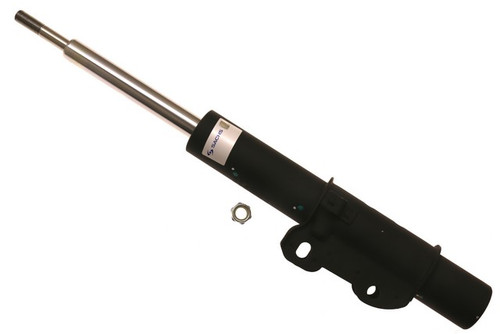
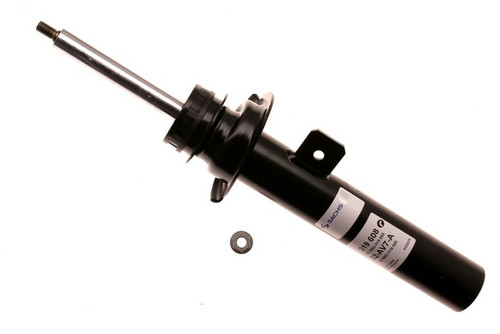
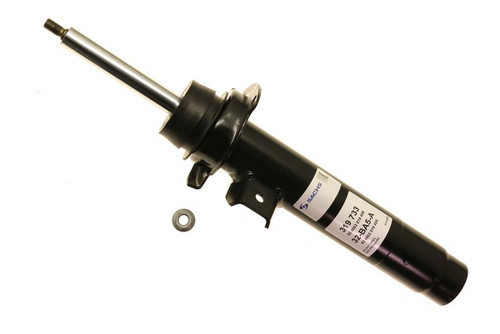
Sachs 319 684 front suspension strut for the 2010-2018 Mercedes-Benz Sprinter 2500 and other vehicles damps spring movement to keep the ride controlled. The SACHS suspension strut is engineered to restore original handling dynamics.
- Application-tuned valve for damping, comfort and control in varied road conditions
- Standard replacement grade
- 183 mm of travel between a 273 mm compressed length and a 456 mm extended length
Quick facts
- Part: Sachs 319 684 suspension strut
- Fits: the 2010-2018 Mercedes-Benz Sprinter 2500 and other vehicles
- Position: Front
- Condition: New
A worn front strut can show up as a bouncy ride, fluid on the strut body or the front end diving under braking. Before you replace it, rule out worn tires, a tired strut mount or a broken coil spring, since those can feel much the same on the road.
Fits
This front strut also fits the 2010-2018 Mercedes-Benz Sprinter 3500 and the 2018 Mercedes-Benz Sprinter 3500XD. If your van is not named here, open the Buyer's Guide tab to check your exact model and engine. This listing is one strut, and each van takes two, one on each side of the front axle; both are normally replaced together.
Specifications
Fit and size
- Position: Front
- Quantity per vehicle: 2
- Body diameter: 58 mm
- Body length: 269 mm
- Compressed length: 273 mm
- Extended length: 456 mm
- Travel length: 183 mm
Build and materials
- Grade: Standard replacement
- Condition: New
- Country of origin: China
In the box
One suspension strut with mounting hardware. The coil spring, boot and dust shield are not included.